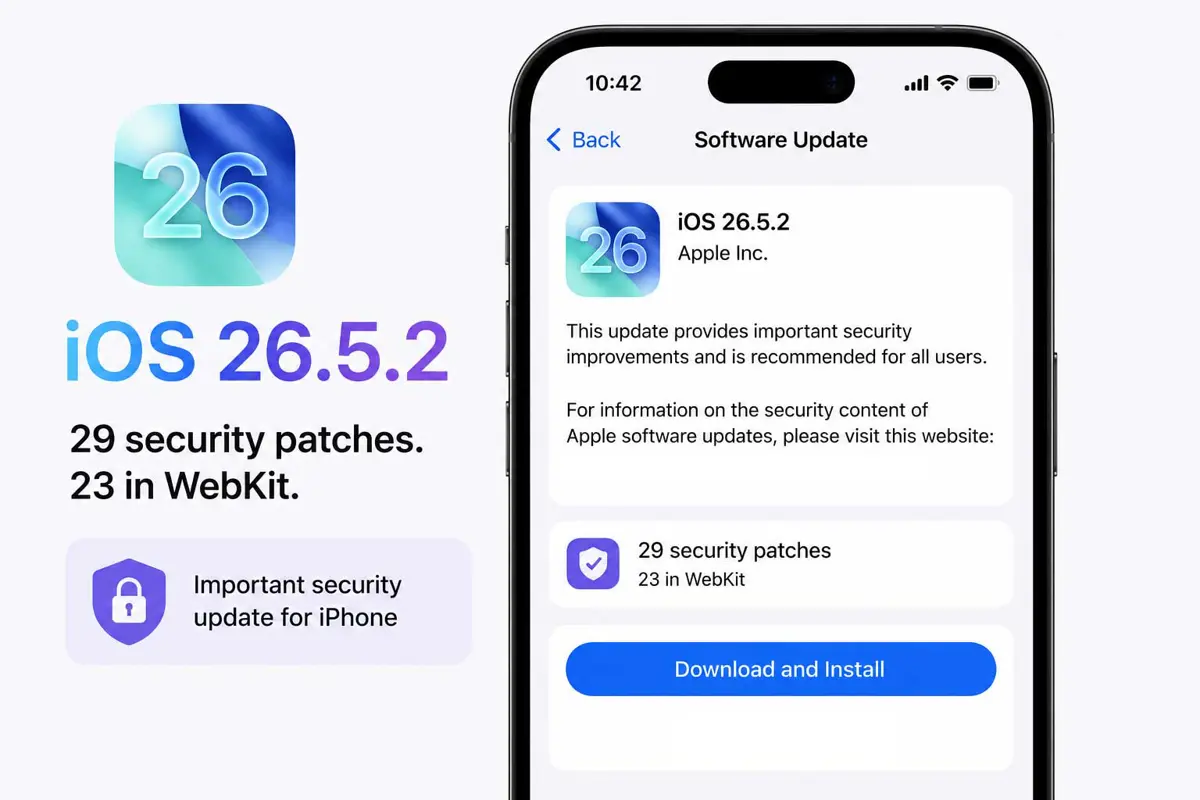
Apple shipped iOS 26.5.2 on June 29 with no new features and 29 security patches - and released it ahead of its normal schedule. iOS 26.6 is still in beta. Under Apple's usual cadence, these fixes would have waited for that release. Apple did not wait, and the reason points to something changing in how fast vulnerabilities become weapons.
23 of 29 Patches Are in WebKit - and That Affects Every Browser on iPhone
WebKit is Apple's browser engine. Safari runs on it. So does every other browser on iOS - Chrome, Firefox, Brave, Arc, and every app that opens a web view. Apple requires all iOS browsers to use WebKit, which means a WebKit vulnerability is not a Safari problem. Every iPhone user carries it regardless of which browser icon they tap.
23 of the 29 patches in iOS 26.5.2 are WebKit fixes. According to Apple's security content page, they address flaws that could let malicious web content disclose sensitive information, corrupt memory, bypass browser sandbox restrictions, or trigger cross-origin data exfiltration. The remaining fixes cover the kernel and other system components. Apple's Safari MCP server for developers builds on the same engine - a reminder of how deeply WebKit sits beneath the iOS developer stack.
Apple confirmed no evidence of active exploitation before the patches shipped. That matters. Apple did not release this update reactively - it released it early, before attackers found these holes.
AI Is Compressing the Time Between Disclosure and Exploit
Apple accelerated iOS 26.5.2 in response to AI-assisted hacking concerns, according to reporting from iTechPost and TechTimes. Large language models trained on existing vulnerability databases can now identify new instances of known flaw patterns in code far faster than human researchers, often working alongside traditional fuzzing tools. The practical effect: the window between a vulnerability becoming public and an attacker having a working exploit has collapsed.
Apple does not issue unscheduled point releases lightly. Pulling 29 patches forward from iOS 26.6 - bypassing a planned version entirely - suggests Apple calculated that waiting six more weeks would give attackers enough time to work with. That calculation is new. A year ago, bundling these fixes into the next minor version would have been standard practice.
What You Need to Do
iOS 26.5.2 runs on every iPhone that supports iOS 26, meaning iPhone 11 and later. Go to Settings → General → Software Update to install. iPadOS 26.5.2 and macOS 26.5.2 shipped the same day with identical security scope.
iOS 26.5.1, the previous update, was a narrow fix for wired charging on iPhone Air and iPhone 17 models. Before that, iOS 26.5 added end-to-end encrypted RCS messaging in beta and a Pride Luminance wallpaper. iOS 26.5.2 adds nothing to that list - it exists only to close holes before someone else finds them first.
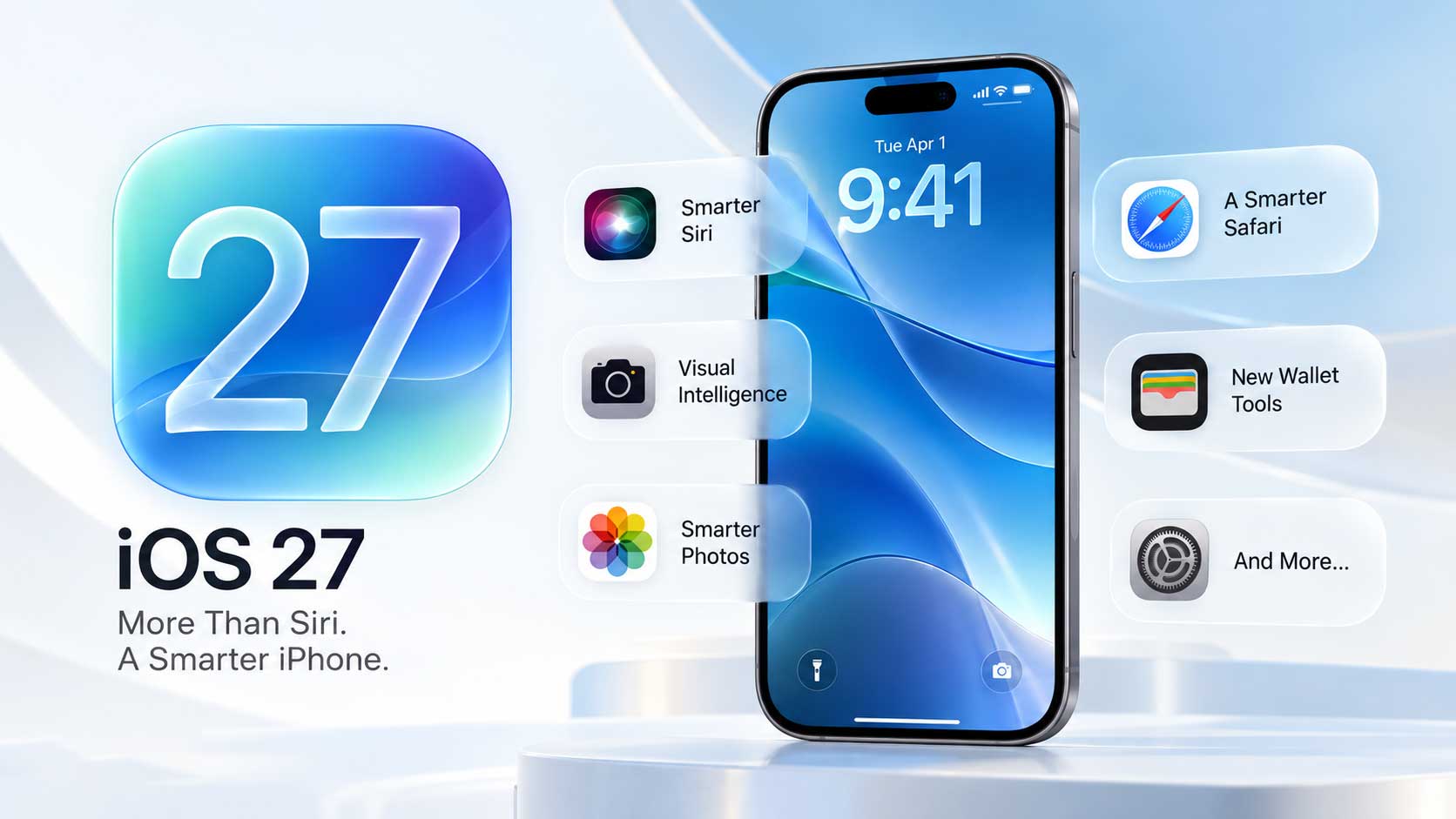
Apple unveiled iOS 27 at WWDC 2026, coming this fall. iOS 26.6 is still in beta and is expected to ship with minimal user-facing changes before then. At least one more update lands before the major version switch - but iOS 26.5.2 is the one that needs to go on your phone today.