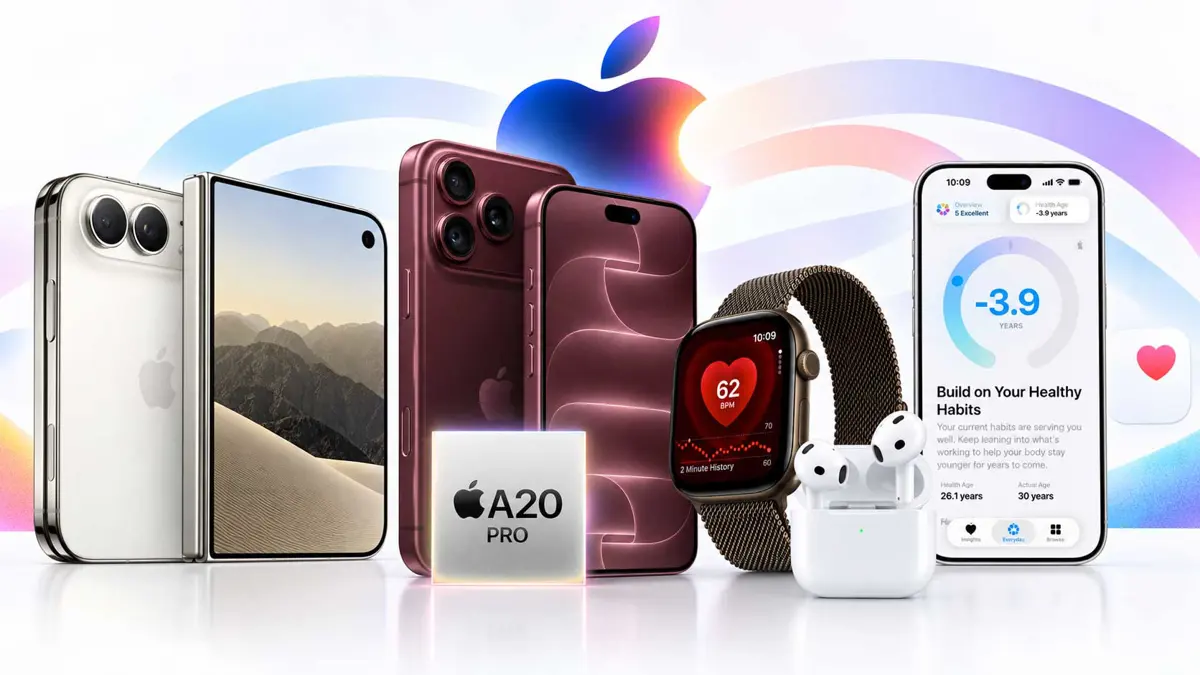
Apple's September 2026 event was not just another iPhone launch. Apple used its fall event to show how the iPhone, Apple Watch, AirPods, software, health features, and Apple Intelligence are becoming one connected system. The biggest headline was the company's first foldable, the iPhone Duo, but the more interesting story is how all of these products fit together.
The lineup stretches from a $1,999 foldable iPhone to $129 AirPods 5, with the iPhone 18 Pro sitting at the center of the performance and camera story. Apple also introduced Apple Watch Series 12 and Apple Watch Ultra 4, a redesigned Health app, iOS 27, and a new generation of Apple Intelligence features that are designed to follow users across devices.
Apple September 2026 event: the big picture
The easiest way to understand the event is to split it into four connected layers. The iPhone Duo is the new form factor. The iPhone 18 Pro models push Apple's conventional flagship forward with a major camera and silicon upgrade. Apple Watch and AirPods extend Apple's intelligence and sensing features beyond the phone. And iOS 27 ties much of it together with Apple Intelligence, Siri AI, and new continuity features.
That makes this event feel less like a collection of unrelated launches and more like an ecosystem update. A user could buy the foldable iPhone for the larger mobile workspace, pair it with AirPods 5 for audio and translation, use Apple Watch for health and contextual information, and rely on iOS 27 to move tasks between devices.
iPhone Duo is Apple's biggest hardware bet
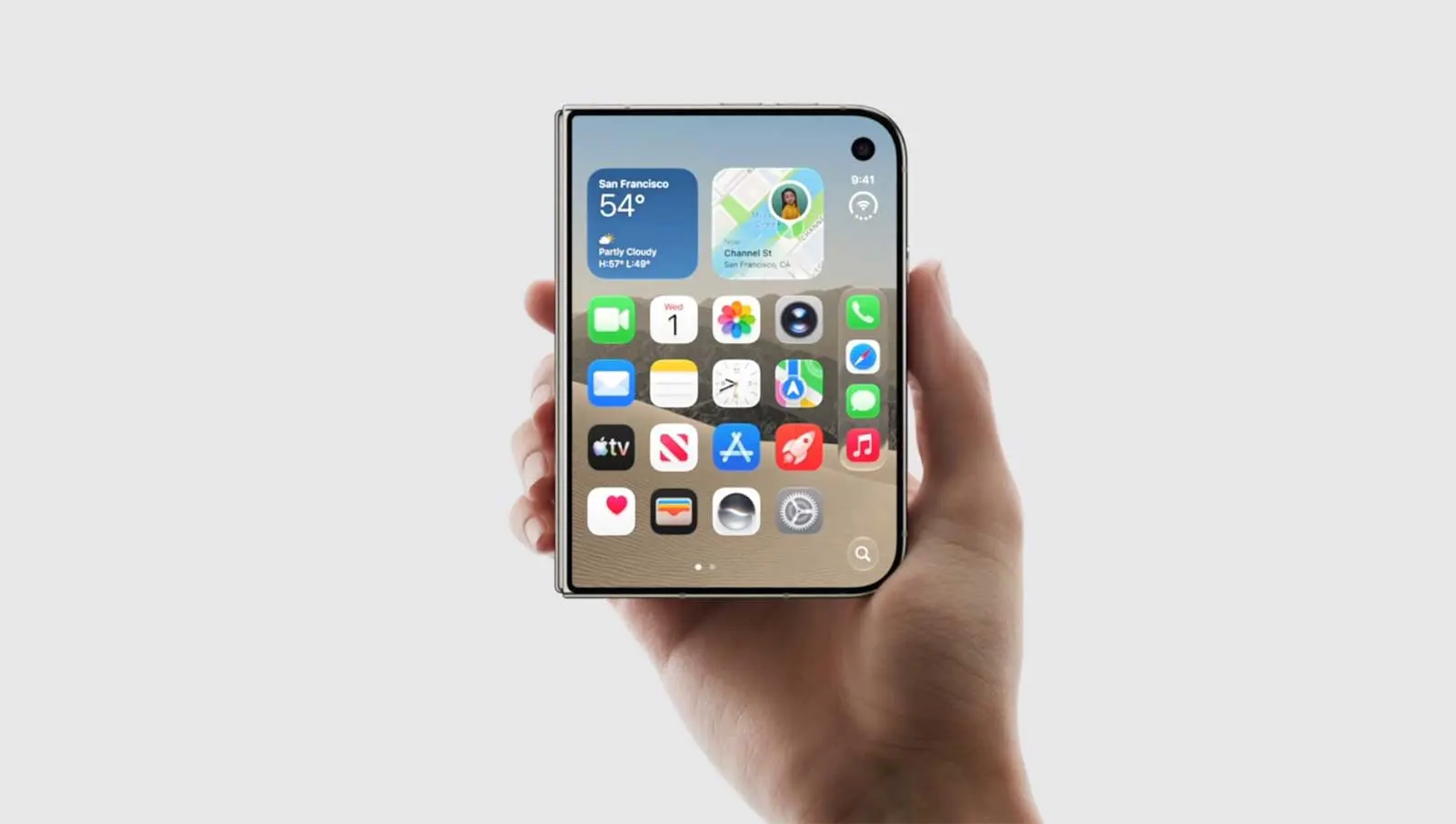
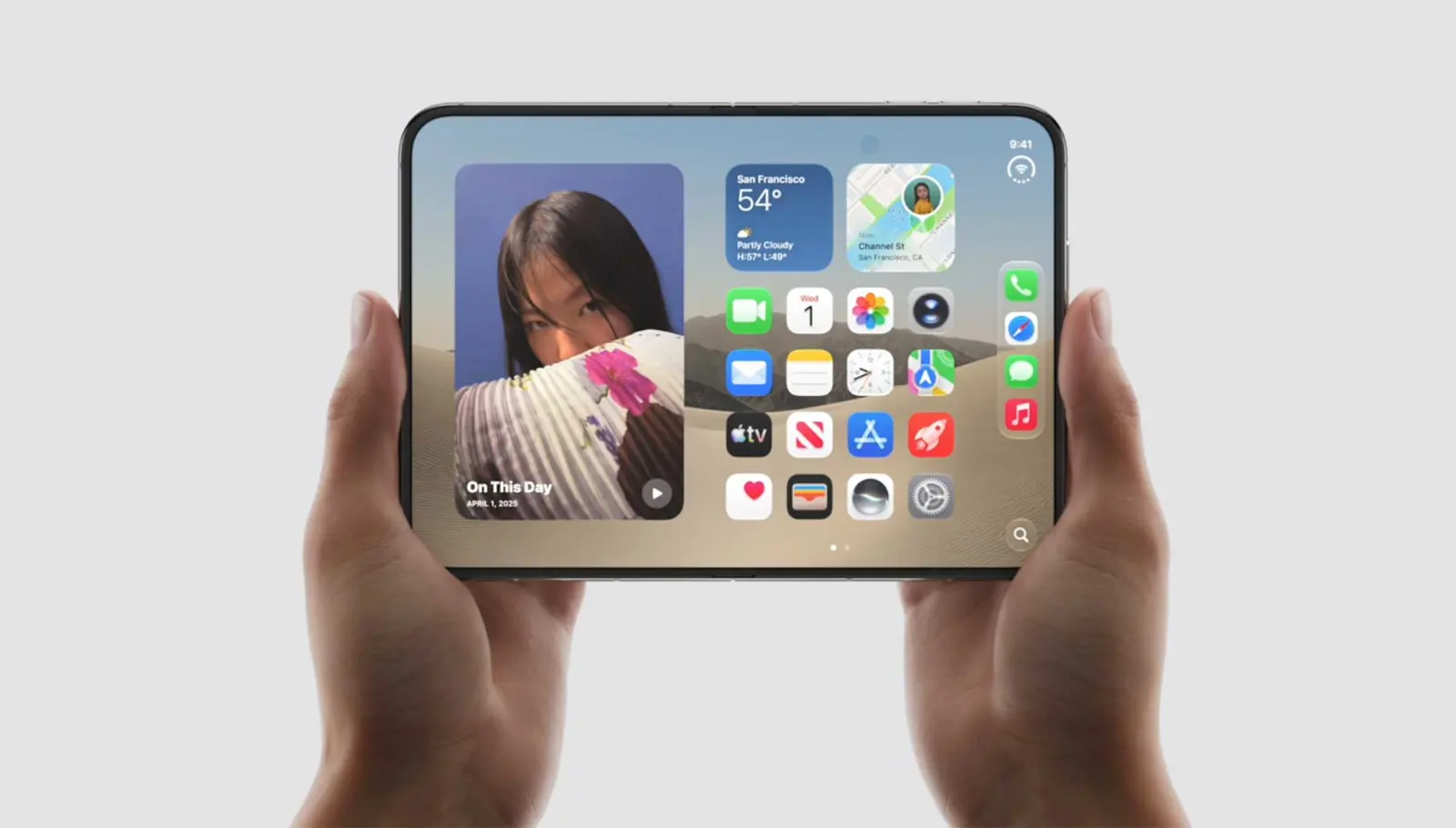
The iPhone Duo is the announcement that changes the shape of the iPhone story. Apple's first foldable has a 7.6-inch inner Retina display and a 5.4-inch outer display. When closed, it behaves like a smaller phone; when opened, it becomes a much larger canvas for apps, media, multitasking, and the redesigned iOS experience.
Apple says the Duo can deliver up to 31 hours of video playback on the inner display and up to 44 hours on the outer display. Its camera system includes a 48-megapixel Fusion main camera and a 48-megapixel ultrawide camera with 2x optical zoom. Users can also use the rear cameras for selfies while viewing a preview on the outer display.
The hinge is another important part of the story. Apple says it uses Grade 5 aluminum and more than 100 specially engineered components. The company also described a manufacturing process that uses AI-assisted matching, laser scanning, and 3D printing to improve hinge alignment and durability.
The software has been redesigned around the fold. iOS 27 places controls and navigation in ways that make better use of the Duo's tall displays, while apps can respond as the device folds, rotates, or switches between screens.
At $1,999 for 256GB, the iPhone Duo is clearly positioned as a premium new category rather than a replacement for the regular iPhone. Pre-orders begin October 16, with availability October 23.
For the deeper hardware story, see our coverage of the iPhone Duo, including its display, hinge, cameras, and pricing.
iPhone 18 Pro pushes the traditional iPhone forward
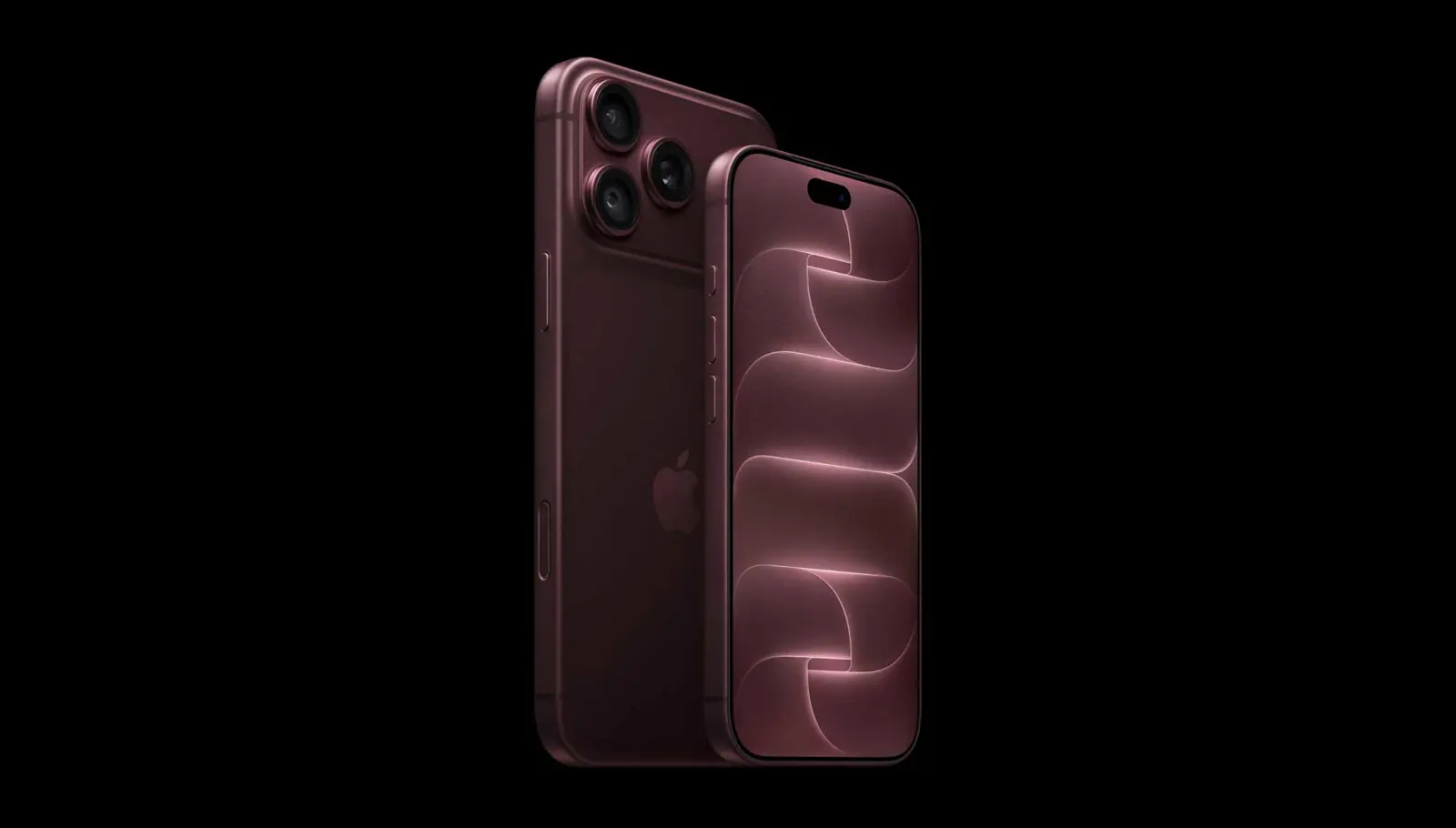
For people who do not want a foldable, Apple has a more familiar flagship: iPhone 18 Pro and iPhone 18 Pro Max. The overall design remains close to the previous generation, but Apple concentrated the meaningful changes in the camera system, performance, battery life, thermal management, and AI capabilities.
The headline camera upgrade is a 48-megapixel Fusion Main camera with variable aperture. The aperture can move between settings to balance light gathering and depth of field, while new Pro controls let users manually adjust aperture, shutter speed, white balance, and exposure with a histogram.
Apple also added new Photographic Styles controls for texture and grain, along with more advanced video tools. The phones can capture 4K Dolby Vision HDR video and apply cinematic effects after recording.
The iPhone 18 Pro starts at $1,199, while the iPhone 18 Pro Max starts at $1,299. Pre-orders open September 12, with availability beginning September 18.
The full breakdown is in our iPhone 18 Pro and iPhone 18 Pro Max coverage, which goes deeper into the camera, battery, Dynamic Island, connectivity, and AI changes.
A20 Pro is the quiet upgrade underneath the event
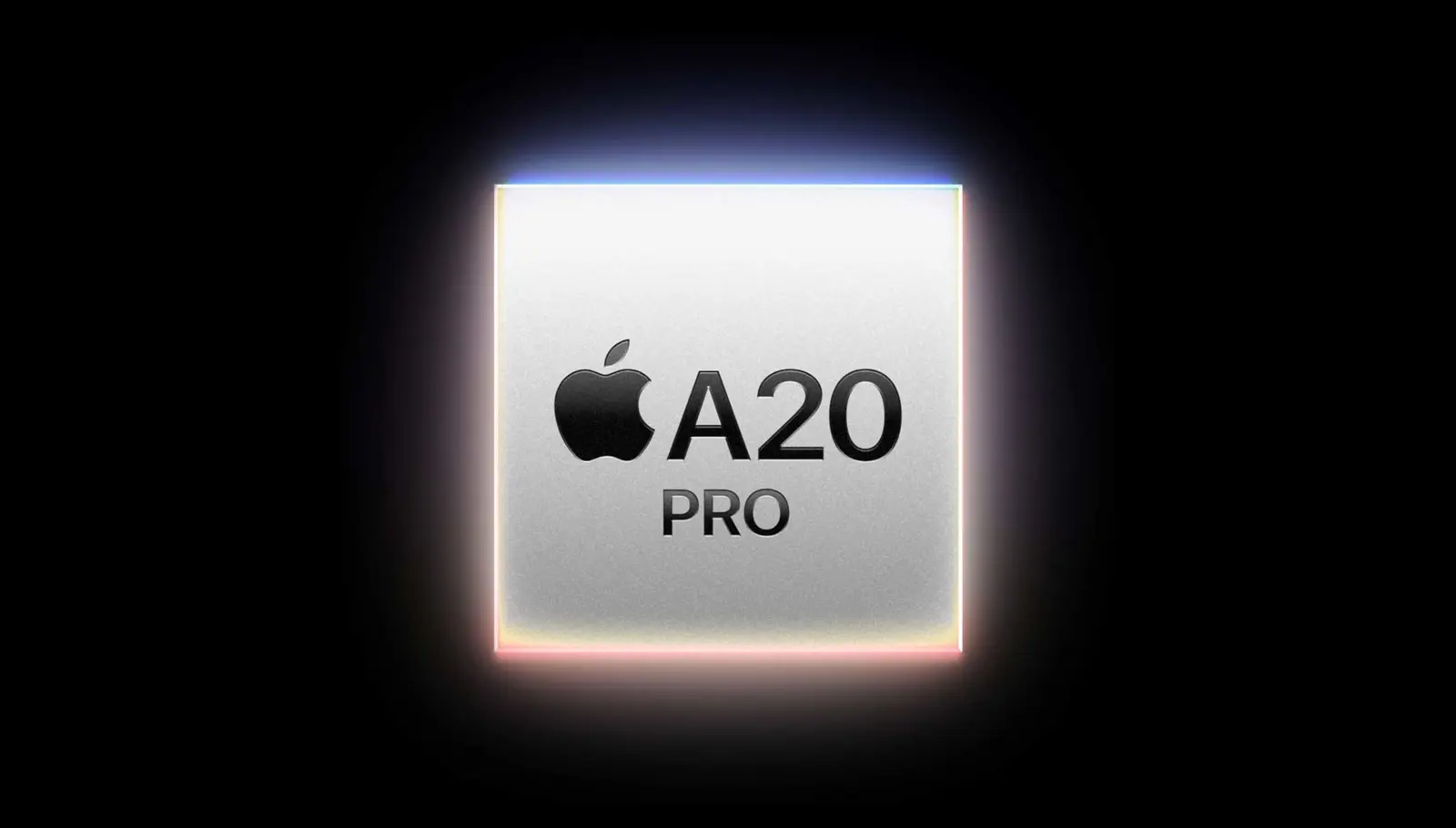
The most important part of the iPhone 18 Pro story may be the component users never see. A20 Pro is Apple's new mobile processor, built on a 2-nanometer process and designed around on-device AI as much as conventional performance.
Apple says A20 Pro has 50 percent more memory bandwidth than A19 Pro. Its 6-core CPU includes integrated Neural Accelerators, while the 7-core GPU is up to 40 percent faster than A19 Pro. A new Dual 16-core Neural Engine provides twice the AI processing power of the previous generation, according to Apple.
That matters because Apple's AI strategy increasingly depends on doing work close to the device. More capable on-device models can reduce latency and limit how much personal information needs to leave the phone, while the extra performance also supports computational photography, gaming, and other demanding workloads.
Our dedicated A20 Pro and 2nm chip coverage explains why this silicon upgrade is more than a routine processor refresh.
Apple Watch becomes more useful when you stop thinking of it as a watch
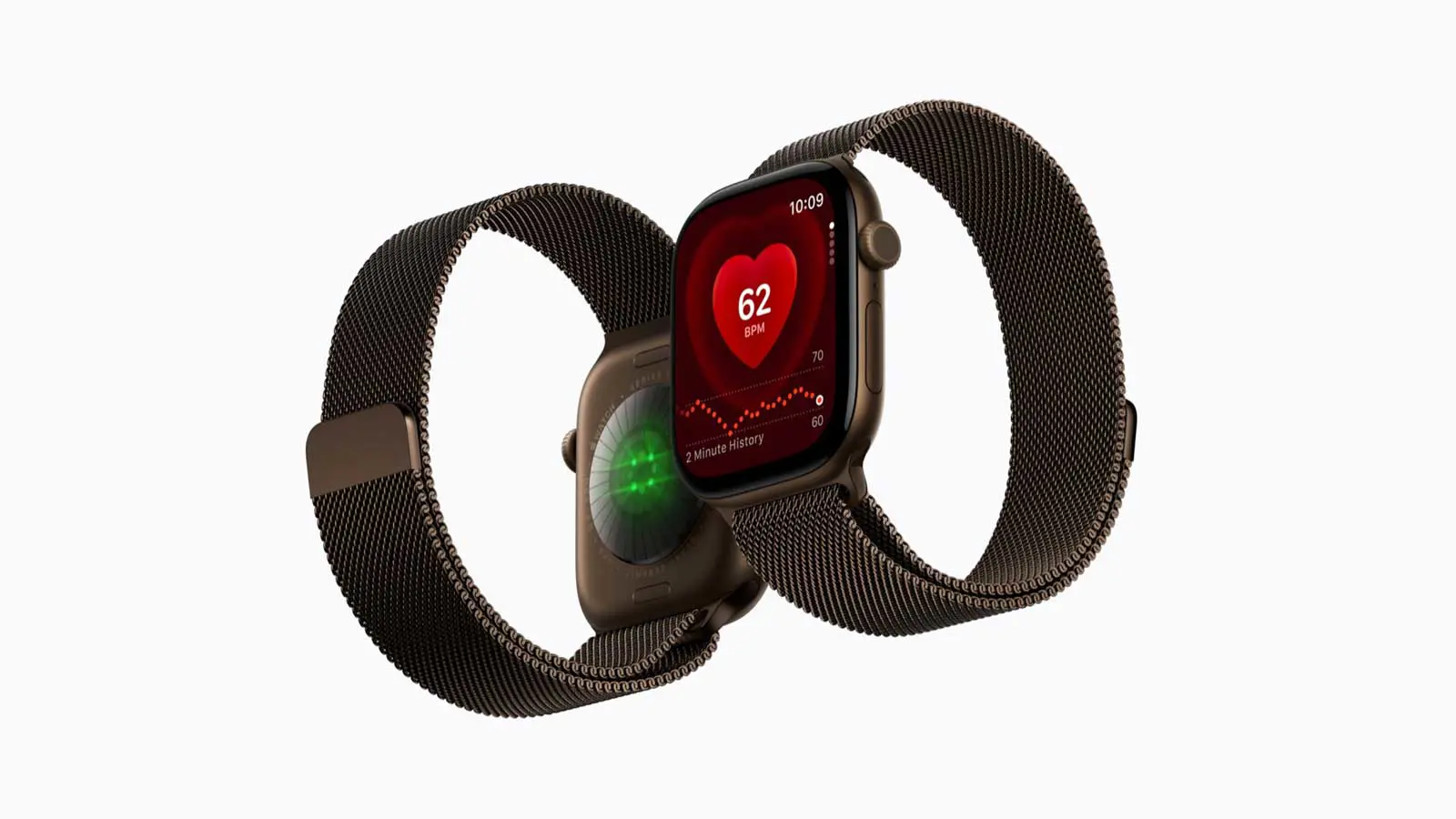
Apple Watch Series 12 and Apple Watch Ultra 4 did not arrive with a dramatic visual redesign. Instead, Apple used the new models to push the watch toward health sensing, contextual AI, and ambient assistance.
Both watches use Apple's new Health Sensing System and S11 chip. Apple says the system enables more frequent heart rate and heart rate variability measurements, which feed features such as the new readiness score. Ultra 4 also extends battery life for outdoor workouts to up to 45 hours and adds updated GPS capabilities.
The more unusual change is Audio Intelligence. Live Rewind can show the previous 15 seconds of a conversation as text, while Siri Recap can create a high-level summary and key points from conversations. Sound Recognition can also listen for sounds such as alarms, sirens, doorbells, or a baby crying and provide alerts.
That is where the event becomes more interesting than a normal smartwatch refresh. Apple is moving the Watch toward a device that can understand what is happening around its wearer, not just count steps or display notifications.
There is also a privacy question here. Apple's approach is designed around privacy and security, but an always-listening feature changes the social expectations around wearable devices. Whether people find it helpful or uncomfortable may be just as important as the technical implementation.
For the hardware and AI details, read our Apple Watch Series 12 and Watch Ultra 4 coverage.
AirPods 5 bring more intelligence to a $129 accessory
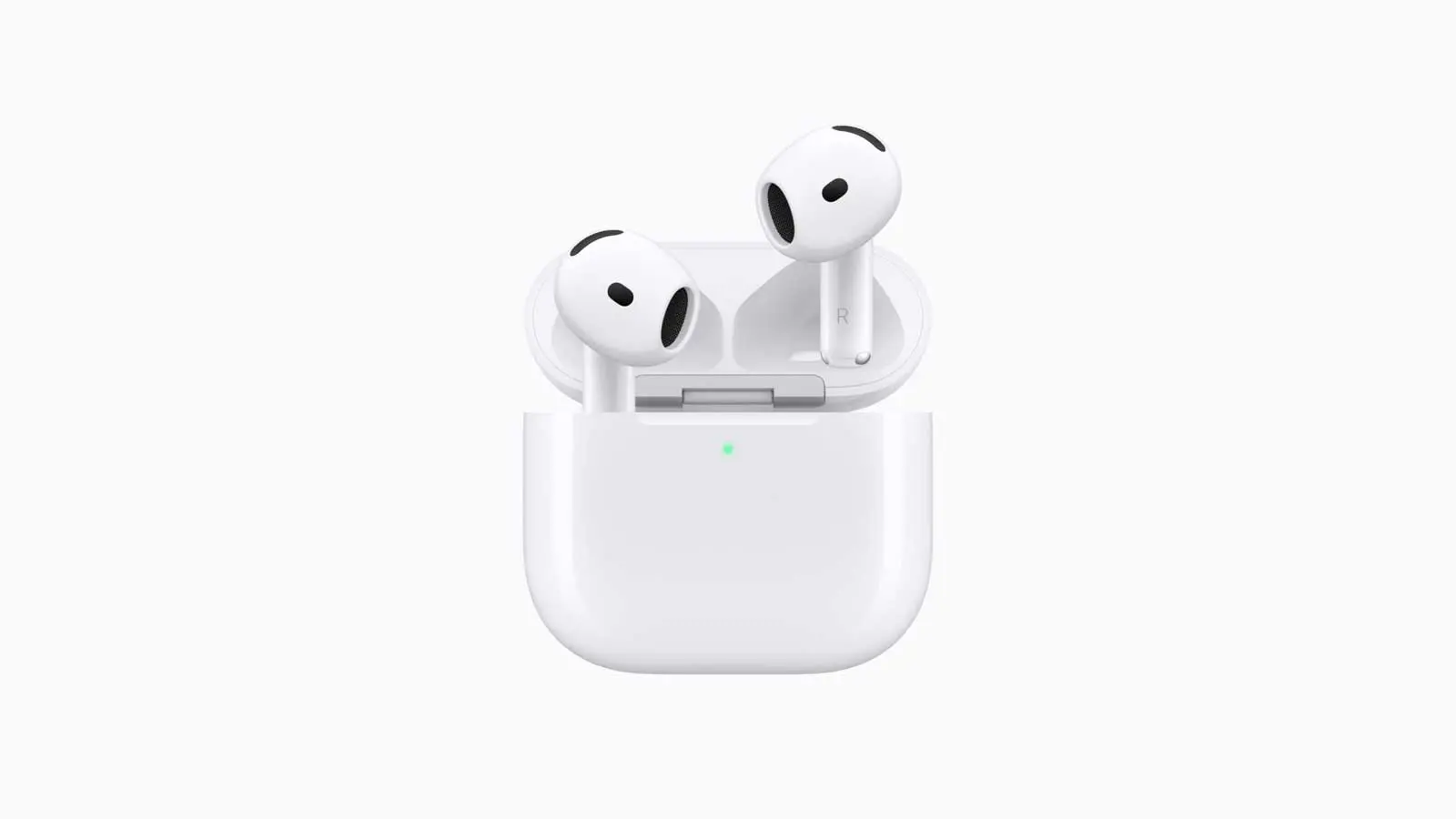
AirPods 5 may look like the smallest announcement in the lineup, but they help explain Apple's broader strategy. The new open-ear earbuds add improved sound, stronger Active Noise Cancellation, hands-free Siri AI, and Live Translation support.
Apple says AirPods 5 can reduce external noise by up to 50 percent more than AirPods 4 with Active Noise Cancellation. Transparency mode is also designed to make nearby voices and environmental sounds feel more natural, while the stem gains volume control.
Battery life reaches up to five hours with ANC on a single charge, with the charging case bringing total listening time to up to 22 hours. The standard model starts at $129, while the version with a Wireless Charging Case starts at $149.
The bigger point is that AirPods are becoming another interface for Apple Intelligence. Voice interaction, translation, and environmental awareness can happen without reaching for the phone, which makes the accessory part of Apple's AI system rather than just an audio peripheral.
Our AirPods 5 coverage breaks down the ANC, sound, battery, and Siri AI changes.
iOS 27 is the glue connecting the hardware
The hardware announcements make more sense when viewed through iOS 27. Apple's new software release is not simply a collection of interface changes. It provides the common layer for Apple Intelligence, Siri AI, device continuity, and the new capabilities arriving across the iPhone lineup.
iOS 27 includes iPhone Handoff, which lets supported users switch between two iPhones while keeping the same phone number. Apple also describes a new generation of Siri AI that can use personal context, understand what is on screen, answer broader questions, and interact with information across apps.
Apple Intelligence is also expanding inside apps. Apple highlights tools for photo editing, photorealistic image generation in Image Playground, web-page monitoring in Safari, and other features that depend on on-device processing and Private Cloud Compute.
iOS 27 is available as a free update on September 14. Some Apple Intelligence and Siri AI features have device, language, regional, and regulatory limitations, so the feature list is not identical for every user.
See our iOS 27 release and iPhone Handoff guide for the software changes and rollout details.
The redesigned Health app ties the Watch and iPhone together
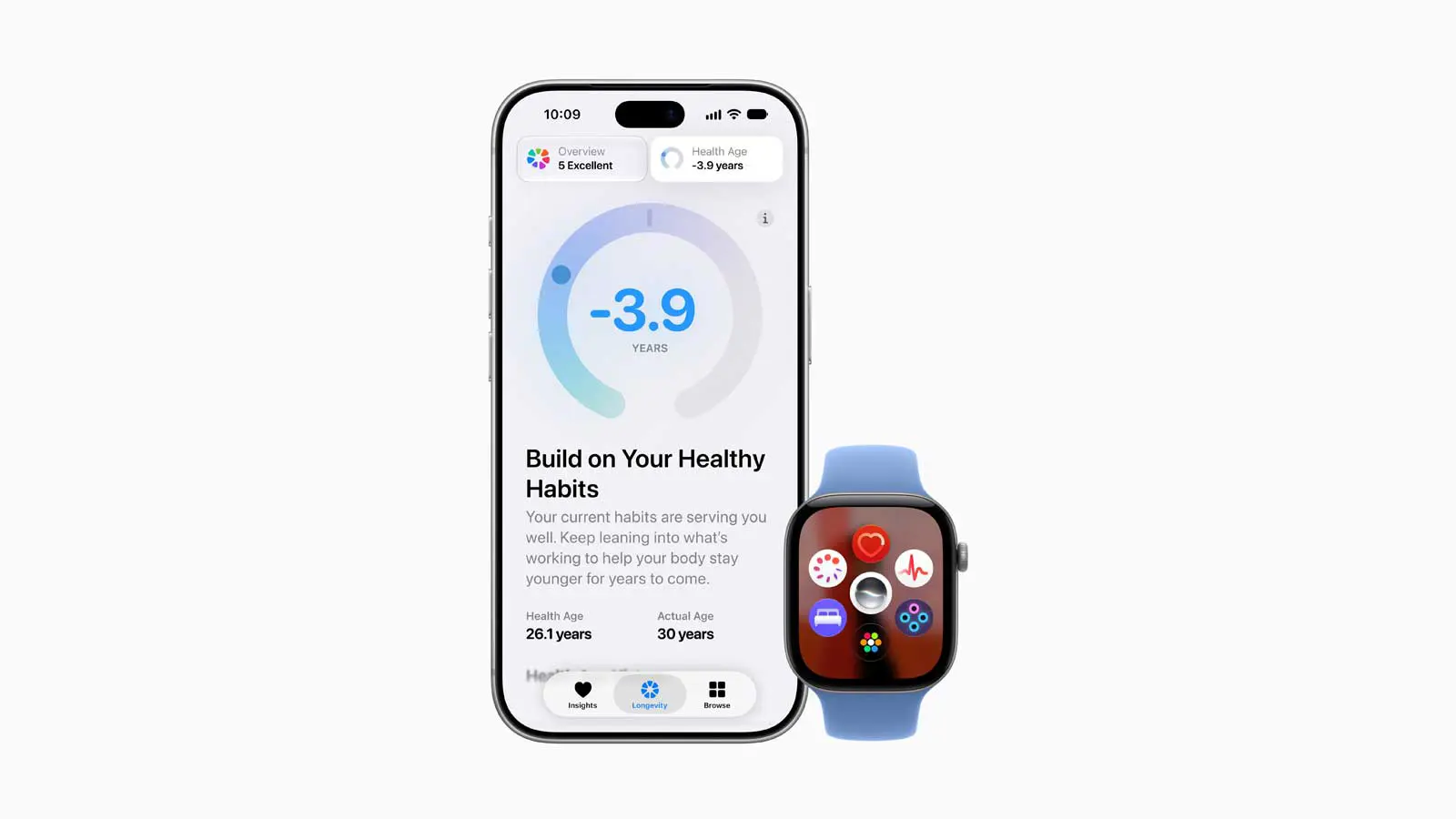
Health is another place where Apple's announcements connect. The redesigned Health app introduces an Insights tab, personalized guidance, a readiness score, and Health Age, while a new Longevity tab brings health information together across areas such as sleep, movement, and heart health.
Health Age uses Apple Watch metrics including VO2 max, resting heart rate, sleep, and heart rate variability, with users able to add information such as A1C and LDL. The readiness score is designed to summarize recovery-related signals and help users decide whether to recover, pace themselves, or push harder.
Apple is also expanding movement assessments using the iPhone camera and Apple Watch. Apple says the processing happens on-device and that movement-assessment video is not recorded, stored, or shared.
This is one of the clearest examples of why the Watch and iPhone announcements belong in the same story. The Watch supplies continuous sensing, the iPhone provides the screen and computing environment, and the Health app turns those measurements into something a user can actually interpret.
Our redesigned Apple Health app coverage covers Health Age, readiness, Insights, Longevity, and the rollout.
What Apple is really building across the lineup
Taken separately, the foldable iPhone, camera-focused iPhone 18 Pro, smarter Apple Watch, new AirPods, iOS 27, and Health app look like a long list of announcements. Taken together, they reveal a clearer strategy: Apple wants the user's devices to understand more context and make more of the technology feel automatic.
The iPhone remains the central computing device, but it is no longer the only interface. The Watch can sense and summarize. AirPods can listen, translate, and interact with Siri. The Health app can interpret long-term measurements. iOS 27 provides continuity between devices. And A20 Pro supplies the local computing power needed to make increasingly sophisticated AI features practical.
The foldable Duo adds another dimension to that strategy. Its larger inner screen gives Apple more room to make the iPhone feel like a small computer when opened, while the outer display preserves the quick interactions people expect from a phone.
There is also a notable shift in how Apple talks about AI. Instead of presenting AI as one standalone product, the company is embedding it into cameras, health, audio, communication, software, and everyday device interactions. That makes the individual features easier to miss, but potentially more important when they work together.
Which Apple announcement matters most?
For hardware enthusiasts, the iPhone Duo is the obvious headline because it opens a completely new iPhone category. For photographers and power users, iPhone 18 Pro and A20 Pro are arguably more consequential because they improve the core phone experience without asking users to change form factors.
For people already invested in Apple's ecosystem, the Watch, AirPods, iOS 27, and Health updates may matter more over time. These features are designed to make Apple's devices work together more naturally, with intelligence and context moving between the phone, wrist, ears, and health data.
That is ultimately what made Apple's September 2026 event interesting. The company did not bet everything on one flashy product. It used the event to expand the number of places where its hardware can sense, compute, remember, and assist.
The event includes features with different release dates and requirements. iPhone 18 Pro, Apple Watch Series 12, Apple Watch Ultra 4, and AirPods 5 begin availability September 18, while iOS 27 arrives September 14. The iPhone Duo follows in October, and the redesigned Health app arrives later this year.
Takeaways
- The iPhone Duo is Apple's first foldable and the biggest new hardware category introduced at the event.
- iPhone 18 Pro and Pro Max focus on variable-aperture cameras, sustained performance, battery life, and on-device AI.
- A20 Pro uses a 2-nanometer process and adds substantially more AI processing capacity.
- Apple Watch Series 12 and Ultra 4 add higher-frequency health sensing, readiness, and Audio Intelligence features.
- AirPods 5 extend ANC, Siri AI, and Live Translation into a lower-cost open-ear accessory.
- iOS 27 connects the lineup with Siri AI, Apple Intelligence, iPhone Handoff, and broader continuity features.
- The redesigned Health app turns Apple Watch and iPhone data into Health Age, readiness, and personalized insights.
Source: Apple Newsroom, iPhone 18 Pro, Apple Watch Series 12, AirPods 5, and Health.