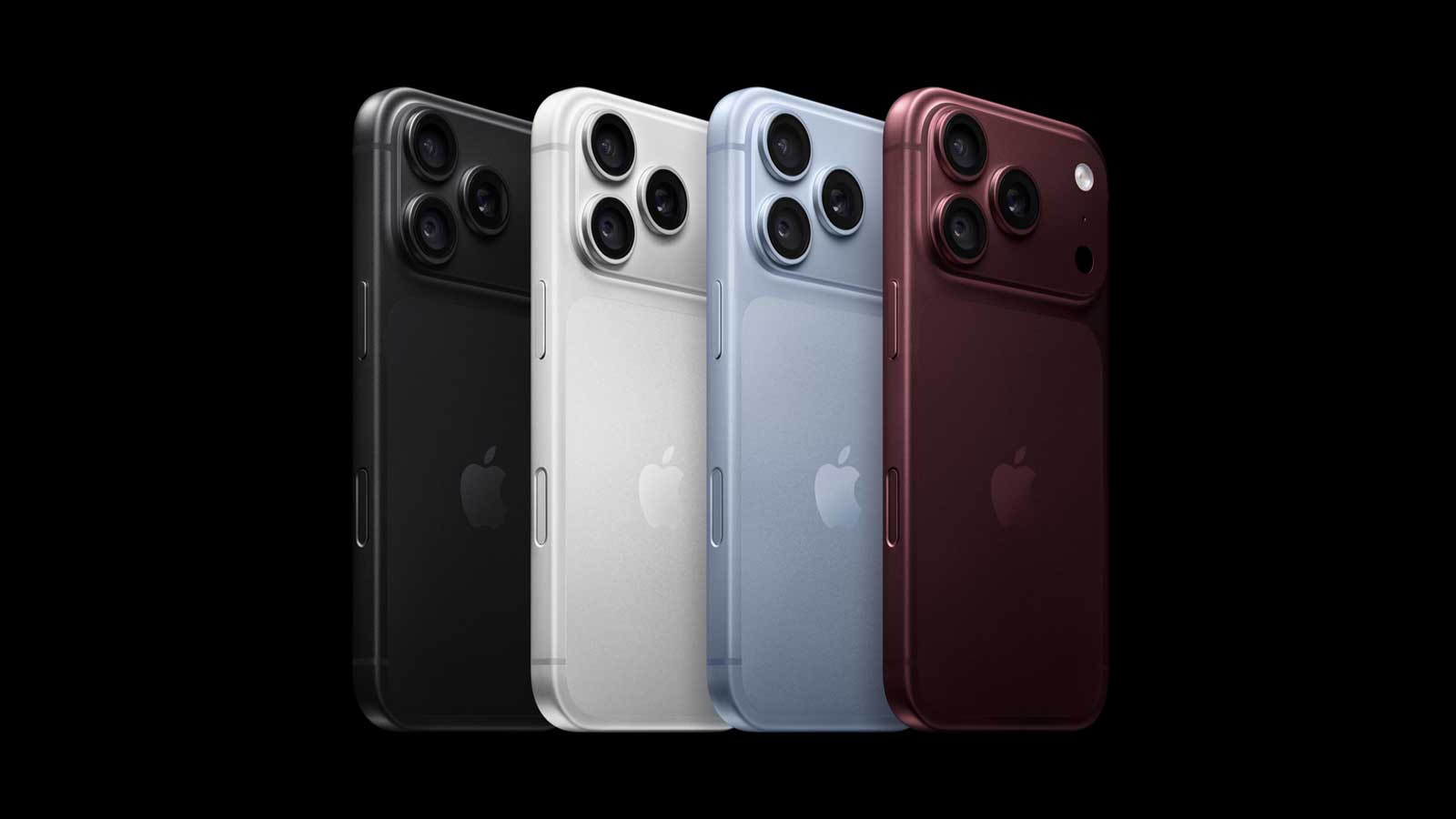
Apple A20 Pro is the first 2nm chip to ship in any smartphone, announced today at Apple's "Surprise and shine" event. Built on a new architecture, the A20 Pro powers the iPhone 18 Pro and iPhone 18 Pro Max - and Apple claims sustained performance gains that separate it from the A19 Pro by more than incremental numbers. Apple's September 9 event is live today with the foldable iPhone Duo and more on the slate, but the chip is the foundation everything else runs on.
Takeaways
- Apple A20 Pro is the first 2nm chip in any smartphone - in iPhone 18 Pro and Pro Max
- 6-core CPU: two super cores up to 20% faster than A19 Pro, four efficiency cores
- 7-core GPU: up to 40% faster graphics performance with increased memory bandwidth
- 32-core Neural Engine: 2x the compute of the previous generation, supports 8-bit floating point
- Neural accelerators in the GPU deliver 2x FP8 performance - designed to run large language models locally on-device
- Widest memory interface Apple has ever shipped in an iPhone
- Custom M-series-inspired packaging: silicon and memory connect directly to the vapor chamber for thermal management
- Sustained performance: 40% more than A19 Pro in iPhone 17 Pro, 2x the sustained performance of A18 Pro in iPhone 16 Pro
CPU performance is the smaller story. Two new super cores deliver a claimed 20% speed improvement over the previous generation - Apple calls them "desktop class" and "the fastest in any smartphone." Four efficiency cores handle lighter workloads. GPU is where the jump is larger: a 7-core design with 40% faster graphics output and higher memory bandwidth. The A20 Pro also ships with the widest memory interface Apple has put in any iPhone, which feeds both the GPU and the Neural Engine. Neural accelerators built into the GPU add 2x the FP8 throughput of the A19 Pro - FP8 is the precision format used to run large language models efficiently, and Apple is positioning on-device LLM inference as a first-class use case for this chip.
Sustained performance is the headline Apple chose to lead with - not peak numbers. At peak, any chip can look fast. Apple A20 Pro's sustained performance is 40% higher than the A19 Pro and double the A18 Pro in the iPhone 16 Pro, a comparison Apple made directly. That gap comes down to packaging: Apple redesigned the A20 Pro's silicon packaging using technology borrowed from its M-series Mac chips, connecting the silicon and memory directly to the vapor chamber rather than through traditional layers. Apple signed a $30 billion Broadcom deal earlier this year to build 15 billion US chips - the 2nm A20 Pro is built on TSMC's latest process node, not the Broadcom supply chain, but both moves point to Apple treating chip manufacturing as a long-term competitive position.