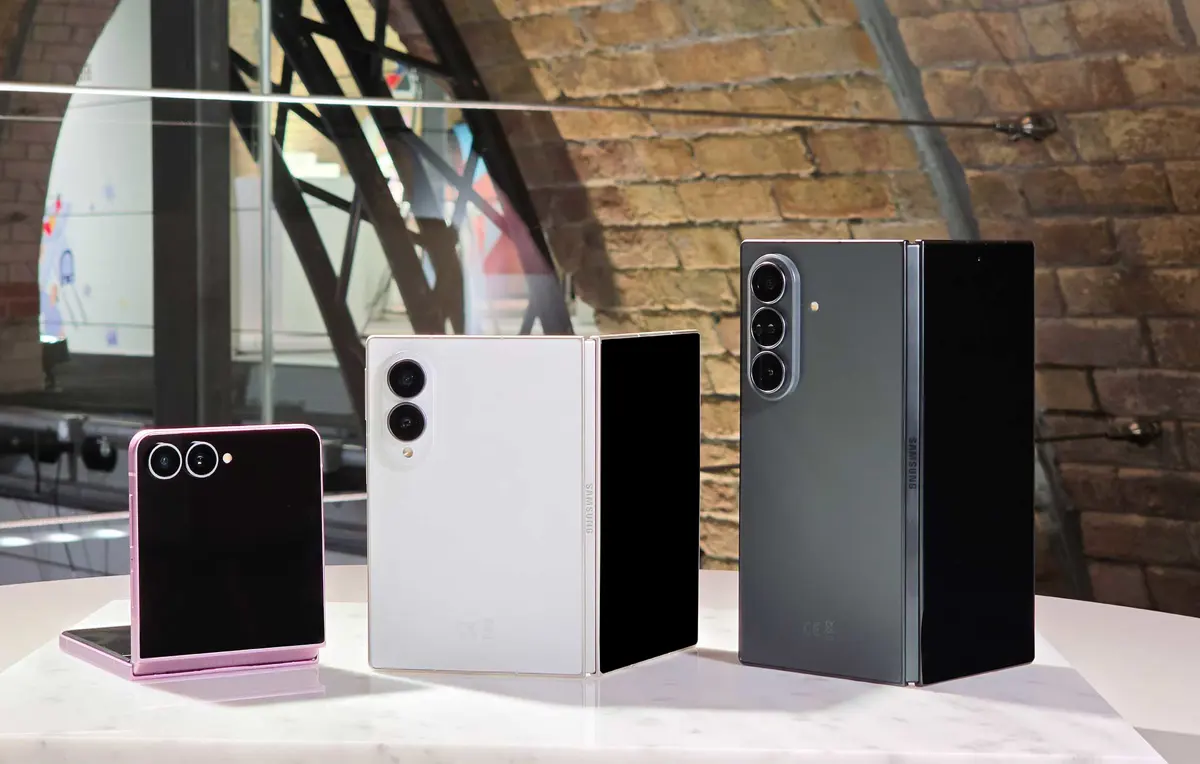
Samsung launched the Galaxy Z Fold 8 Ultra at its July 2026 Unpacked event and immediately created a naming problem. "Ultra" is new to the Fold lineup, and it matters: Galaxy Z Fold 8 Ultra is the direct successor to the Galaxy Z Fold 7. A separate, cheaper Galaxy Z Fold 8 also exists, but that is a different phone entirely - a wider landscape-focused form factor at a lower price point. If you own a Fold 7 and want to know whether to upgrade, Galaxy Z Fold 8 Ultra is the only comparison that counts.
Three real improvements separate the Fold 8 Ultra from the Fold 7: a bigger battery, faster charging, and a higher-resolution ultra-wide camera. Every other change is incremental. Whether those three justify $600 in extra cost depends on how much the Fold 7's weaknesses actually bother you.
Specs Side by Side
| Spec | Galaxy Z Fold 8 Ultra | Galaxy Z Fold 7 |
|---|---|---|
| Starting price | $2,099.99 (256GB) | From $1,499.99 (256GB, current) |
| Processor | Snapdragon 8 Elite Gen 5 | Snapdragon 8 Elite |
| RAM | 12GB / 16GB (1TB only) | 12GB / 16GB (1TB only) |
| Storage | 256GB, 512GB, 1TB | 256GB, 512GB, 1TB |
| Inner display | 8-inch LTPO AMOLED, 2,504x2,256 | 8-inch LTPO AMOLED, 1,968x2,184 |
| Outer display | 6.5-inch LTPO AMOLED, Gorilla Glass Ceramic 3 | 6.5-inch LTPO AMOLED, Gorilla Glass Ceramic 2 |
| Main camera | 200MP wide | 200MP wide |
| Ultra-wide | 50MP | 12MP |
| Telephoto | 10MP, 3x optical zoom | 10MP, 3x optical zoom |
| Selfie cameras | 10MP (outer), 10MP (inner) | 10MP (outer), 10MP (inner) |
| Battery | 5,000mAh | 4,400mAh |
| Wired charging | 45W | 25W |
| Wireless charging | 20W | 15W (Qi2 with compatible case) |
| IP rating | IP48 | IP48 |
| Weight | 215g | 215g |
| Thickness (unfolded) | 4.1mm | 4.2mm |
| Operating system | One UI 9 (Android 17) | One UI 8 (Android 16) |
| S Pen support | No | No |
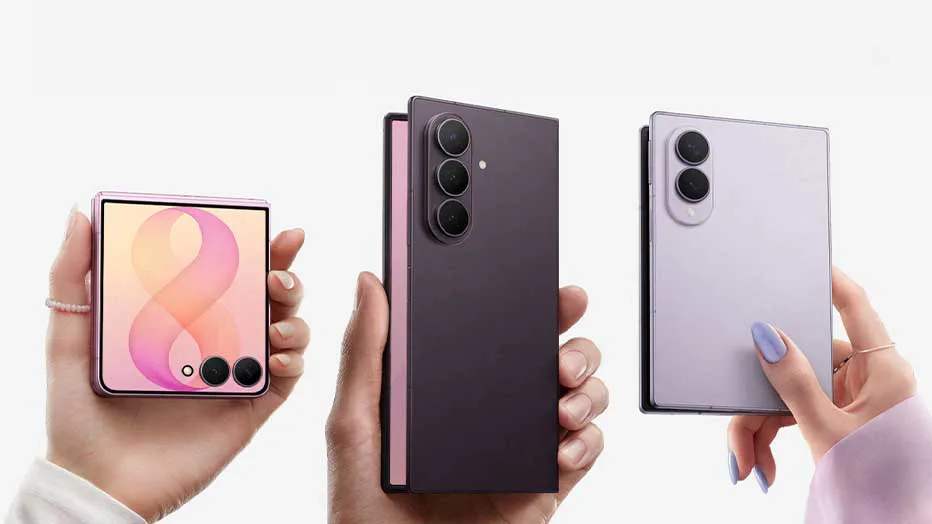
| Colors | Violet Shadow, Graphite, Cream | Blue Shadow, Silver Shadow, Jet Black, Mint |
Battery and Charging: The Biggest Win
Battery life was the Galaxy Z Fold 7's most consistent complaint. Samsung shipped it with a 4,400mAh cell at 25W wired charging - adequate for moderate use, not great for heavy days. Galaxy Z Fold 8 Ultra fixes both.
A 5,000mAh battery is a 14% jump in capacity, which should add two to three hours of screen-on time in real-world use. More useful is the charging upgrade. At 45W, the Fold 8 Ultra goes from flat to full in roughly 45 minutes. At 25W, the Fold 7 needed about 75 minutes. An 18% battery bump that also charges 40% faster is the most practical difference between these two phones.
One trade-off: the Fold 7 supported Qi2 wireless charging with a compatible case, giving Samsung's fastest wireless standard with magnetic alignment. Fold 8 Ultra has 20W wireless charging built in but no native Qi2. If you use a Qi2 charger daily, you will need a third-party case.
Camera: One Upgrade, Two Unchanged Lenses
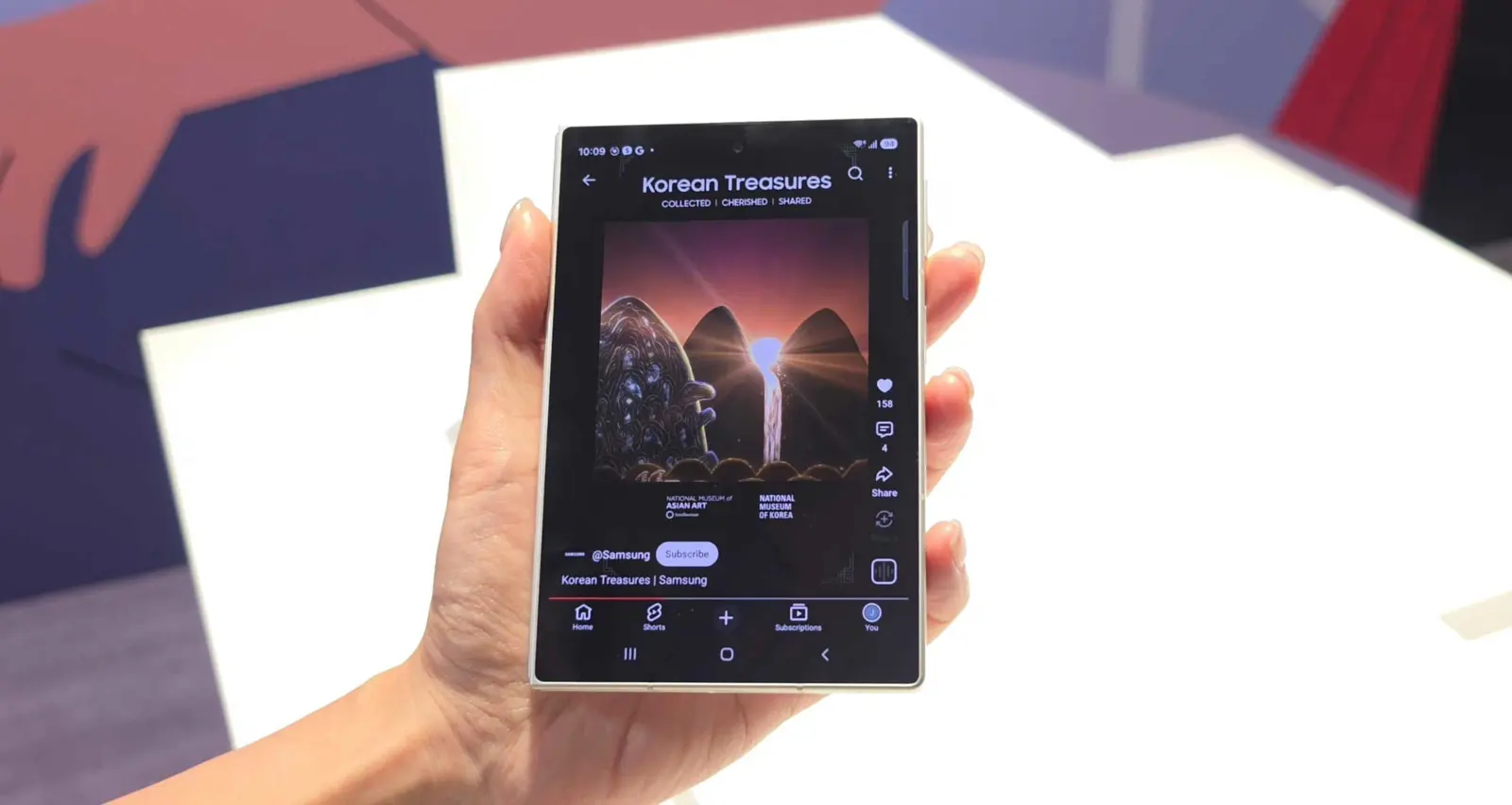
Main cameras are identical - 200MP on both. Telephoto is 10MP with 3x optical zoom on both. Selfie cameras are 10MP front and back on both. Samsung did not touch the depth of the camera system.
What changed is the ultra-wide. Fold 8 Ultra goes from 12MP to 50MP, a 4x jump in sensor resolution. Ultra-wide shots in low light, at close range, and in video should be noticeably sharper. For video shooters who lean on the wide lens for stabilized handheld footage, this is a genuine upgrade. For everyone else, the main 200MP sensor already delivers excellent results in most conditions.
Pre-launch reports suggested the telephoto would get a 12MP upgrade. Samsung did not deliver it. Selfie cameras also stayed unchanged at 10MP, which disappointed reviewers hoping for better video calls on the inner display.
Display: Sharper Inner Screen, Tougher Glass
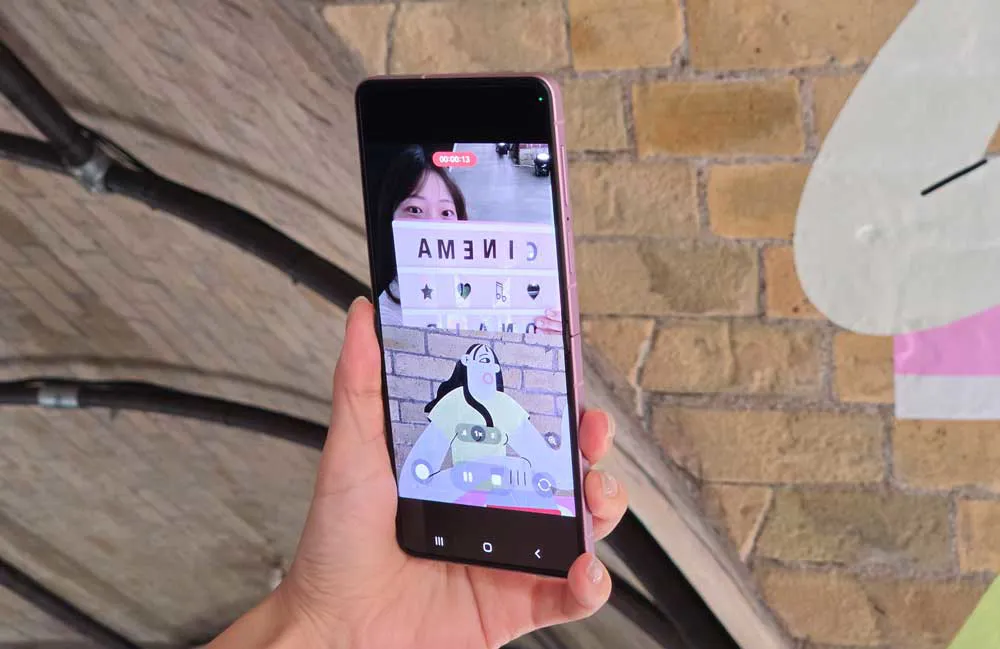
Samsung's 8-inch folding screen stays the same size but gets a resolution bump from 1,968x2,184 to 2,504x2,256. Reading fine text, maps, and spreadsheets should feel cleaner. Photos display with more pixel density at 100% zoom.
Outer screen protection moves from Gorilla Glass Ceramic 2 to Ceramic 3 - a generation tougher against scratches and drops. Unfolded thickness drops from 4.2mm to 4.1mm, but 0.1mm is not something you will notice holding both phones.
The crease on the inner display got a reduction over the Fold 7 as well. Samsung says the fold is "virtually invisible" now - though that claim warrants hands-on verification before trusting it completely.
Performance and Software
Snapdragon 8 Elite Gen 5 powers the Fold 8 Ultra - the same chip inside the Galaxy S26 Ultra. Fold 7 ran the standard Snapdragon 8 Elite. Benchmarks will show a gap. Opening apps, switching between tasks, and gaming will not feel meaningfully different day-to-day, because both chips are already fast enough for anything a foldable gets used for.
Software is a more interesting story. One UI 9, based on Android 17, ships on Fold 8 Ultra with a redesigned Quick Panel, a Text Spotlight feature that floats selected text in a larger window, and updated Gemini AI integration across system apps. Android 17 also adds native eSIM and password transfer when switching from iPhone - no app required. Samsung has confirmed that most One UI 9 features will roll out to Fold 7 later, though hardware-dependent AI features may not make the jump.
Both phones get seven years of OS upgrades under Samsung's support policy.
What Did Not Change
Neither phone supports S Pen. Neither has improved past IP48. Competitors - including Google Pixel 10 Pro Fold at IP68 - protect against both dust and water; Samsung's foldables still lack dust resistance. Both phones weigh exactly 215 grams. Both selfie cameras sit at 10MP on outer and inner screens.
None of these are new problems. Reviewers flagged all of them on the Fold 7, and Samsung shipped the Fold 8 Ultra with every one intact.
Price: The $600 Gap
Galaxy Z Fold 8 Ultra launches at $2,099.99 for 256GB - a $100 increase over the Fold 7's $1,999.99 launch price. Galaxy Z Fold 7 now retails from $1,499.99, about $500 below its original price. That creates a $600 spread between a one-year-old foldable and the new one.
Samsung is bundling a six-month AI Pro subscription with every Fold 8 Ultra. At roughly $20 a month, that offsets $120 of the premium - but only if you were going to subscribe anyway.
Trade-in deals can close the gap further at launch. Samsung's own promotions historically arrive within three to four months of release, so waiting typically costs less than buying at full price.
Which One Should You Buy?
Galaxy Z Fold 8 Ultra makes sense for three types of buyers: people buying a foldable for the first time, anyone upgrading from Fold 6 or older, and Fold 7 owners who genuinely struggled with battery life. Those three situations cover a lot of people.
If you're also considering Samsung's latest wider foldable against Apple's first foldable, see our iPhone Duo vs Galaxy Z Fold8 comparison for a side-by-side look at the two phones.
For Fold 7 owners who are satisfied with daily performance, the honest answer is harder. A sharper inner screen and better ultra-wide are real upgrades. But $600 more - against a Fold 7 that was already considered one of Samsung's most successful foldables and is now selling at a discount - requires more than incremental improvement to justify.
Samsung's foldable is not in a weaker position than it was a year ago. Galaxy Z Fold 7 is still fast, still thin, and still available at a price Samsung never intended. For most people comparing these two phones today, it remains the better value unless the battery fix cannot wait.