LinkedIn Lets Colleagues Verify Work History to Build Professional Trust
LinkedIn is testing peer confirmations for workplace and education experience, while giving companies new tools to remove false employee associations.

LinkedIn is testing a new way for people to verify the workplace and education experience listed on each other’s profiles. The company says the feature is designed to add another trust signal based on people who actually worked or studied together.
LinkedIn Work History Verification Uses Peer Confirmations
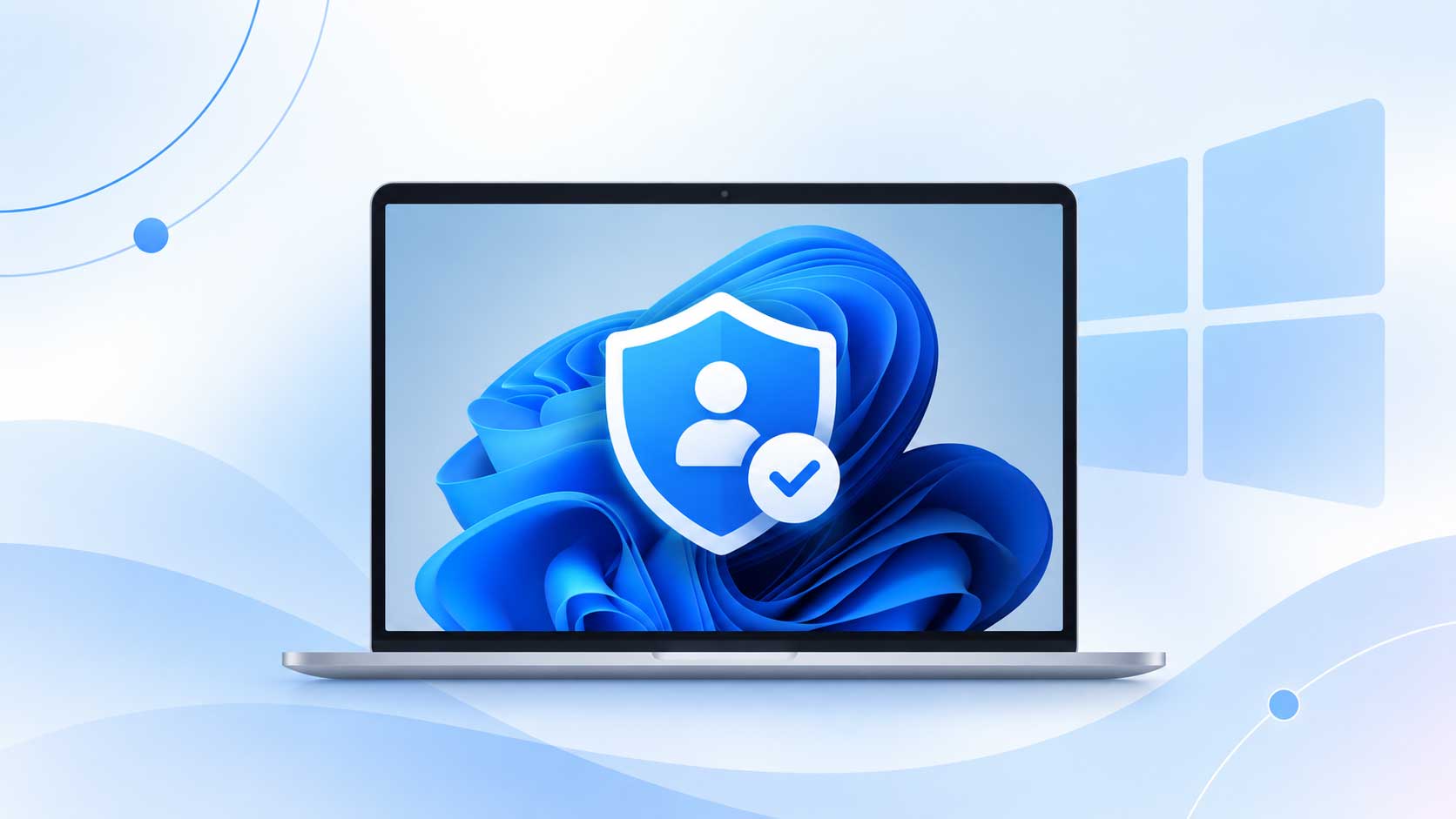
LinkedIn says verified members can be prompted to confirm a connection’s shared past or current workplace or school experience. Once a profile receives enough confirmations, LinkedIn can add a verification badge to the profile, and members can opt out.
The company says members will also be able to proactively ask connections to verify their experiences in the coming months. That makes the new system different from a normal recommendation or endorsement: the verification is tied to whether the person and connection shared the claimed work or education experience.
LinkedIn says more than 115 million members are now verified, with 75 members verifying every minute. It also reports that verified members are seeing 50% more post engagement and close to 90% more profile views. Those figures are LinkedIn's own measurements, not an independent study.
The move follows a broader shift toward identity and authenticity checks across online platforms. Facebook has also introduced a free verification system based on a selfie, while Google has tested selfie video for account recovery.
Read our coverage of Facebook Verified and Google's selfie video sign-in for more on how other services are using identity signals.
Companies Can Remove False Employee Associations
Verified LinkedIn Page admins can now instantly remove known imposter accounts so those accounts no longer appear in search results under the company name. LinkedIn is also piloting a setting with selected companies that can require workplace verification from people claiming current employment before they can associate themselves with the company's Page.
LinkedIn says the workplace-verification pilot is aimed at inaccurate employee associations. The company has not said that the requirement will apply universally across LinkedIn.
LinkedIn Verification Expands Beyond LinkedIn
LinkedIn is also expanding Verified on LinkedIn, which lets partner platforms use a member's existing LinkedIn verification instead of requiring a separate verification process.
Truecaller and PeerSpot are joining existing partners including Adobe, TrustRadius, and UserTesting. On Truecaller, for example, a recipient can see that a caller or person messaging them has a LinkedIn-verified identity.
The new features extend LinkedIn's verification system from proving identity or workplace association toward verifying professional history and carrying those trust signals into other services.