OpenAI Dots Bring Always-On AI Agents to ChatGPT Work
The new GPT-6 Astra-powered agents can keep working across connected apps and continue tasks without waiting for another prompt.

OpenAI Dots are designed to make AI agents more persistent. Instead of waiting for a new prompt each time, a Dot can keep working toward ongoing goals, use connected apps, and operate through its own cloud computer. OpenAI announced Dots on September 29, 2026, as part of DevDay.
The agents are powered by GPT-6 Astra and can connect to more than 4,000 apps through OpenAI's plugin ecosystem, according to the company. Users can interact with a Dot through ChatGPT, Slack, or Microsoft Teams, including through voice.
How OpenAI Dots Work
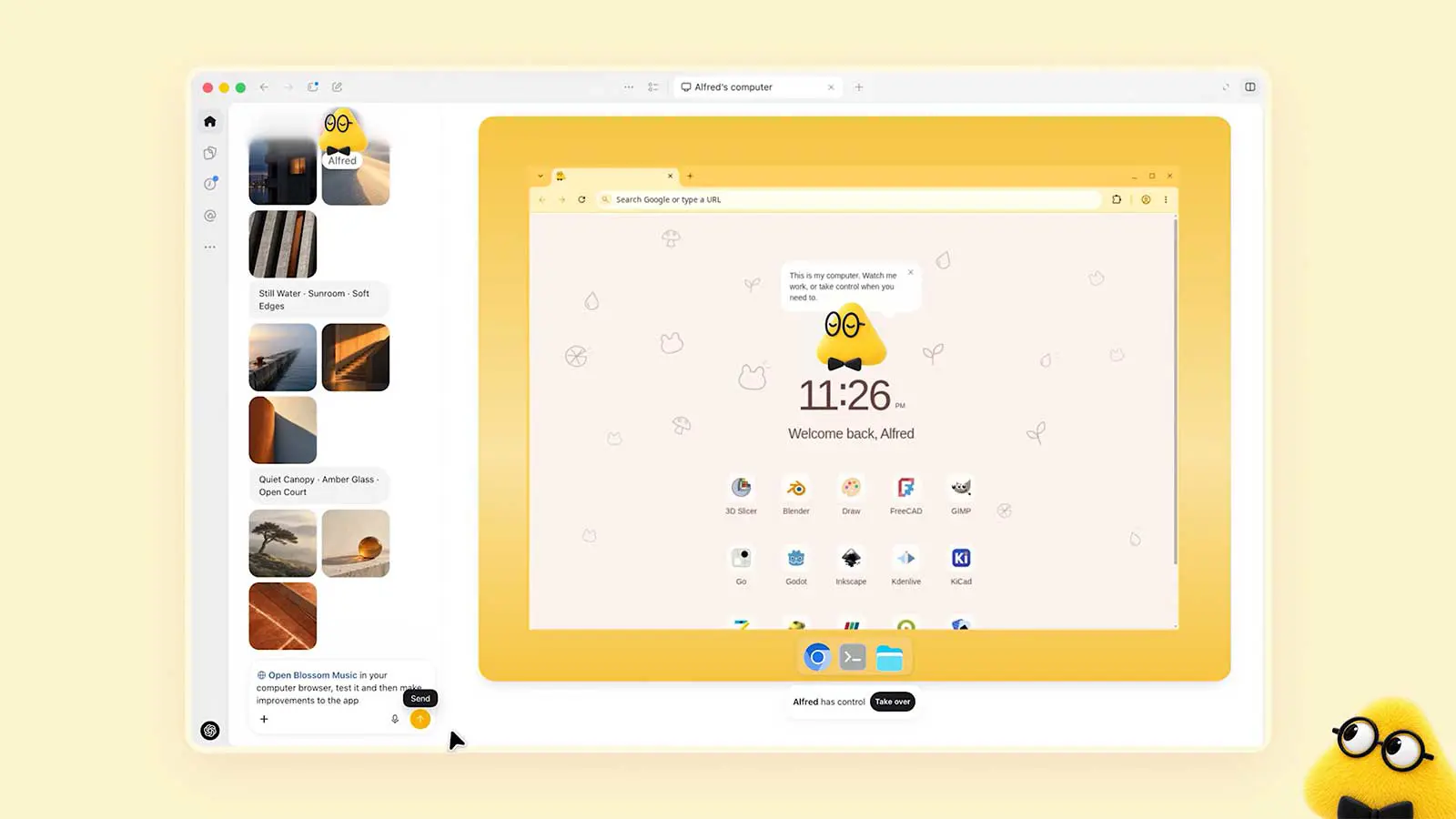
Each Dot gets its own cloud computer that it can use while working on tasks. OpenAI says users can watch what the agent is doing on that computer, while custom action rules can determine which actions a Dot can take independently and which require approval.
Dots can also learn from feedback over time. OpenAI describes use cases including investigating bugs mentioned in Slack, turning a new design into a working application, and preparing an invoice for approval. The company also says Dots can perform proactive research through read-only connections to connected tools.
That approach is different from a conventional chatbot session. A user can give an agent an ongoing objective and let it continue working while the user is away, then return to review progress or provide more direction. Saganote's guide to what an AI agent can do explains the broader shift from generating answers to taking actions.
Dots Extend OpenAI's Agent Push
OpenAI has been adding more tools around agents in recent months. ChatGPT Work and connected apps have already pushed ChatGPT toward longer-running tasks, while OpenAI's Data Agent shows how specialized agents can turn instructions into completed data workflows.
The broader market is moving in the same direction. xAI's Grok Bot also uses AI teammates with cloud computers for ongoing work, while Microsoft Foundry gives developers hosted agents and tools for building longer-running agent workflows. AWS is also building a forward-deployed engineering unit around AI systems that work more closely with customers.
For readers who want the broader context, What Is Agentic AI explains why these systems are designed to make decisions and use tools rather than only generate responses.
Availability and Controls
OpenAI is initially making Dots available to ChatGPT Pro and Business Premium users, with Enterprise access subject to workspace approval. The company says one Dot is included with eligible plans, with support for additional Dots planned for the future.
OpenAI is also emphasizing permissions and action controls because Dots can take actions through connected services. The launch comes as the company expands its agent tooling, including cloud-based coding and broader app integrations.