Meta Muse now has a dedicated iPad app, arriving about a month after the assistant launched on iPhone and Android. TechCrunch reports that Muse has reached an estimated 6.6 million installs since its September 8 launch. The iPad release is useful, but the more interesting part is what Meta is building around the app.
View on Threads
Meta Muse is becoming an agent, not just a chatbot
Meta describes Muse as a personal AI agent that can do work instead of only answering questions. It can send email, book travel, fill out forms, and make purchases, with approval required for sensitive actions. Meta also gives Muse a secure virtual machine and lets people choose which services it can access. Meta's Muse announcement explains the security and approval model.
The iPad app builds on Meta's earlier Meta Muse iPhone and Mac launch. The bigger change is that Meta keeps expanding what the same agent can reach and do.
Connectors are the part that could matter most
Muse becomes more useful when it can work with services people already use. Meta has added connectors for Notion, GitHub, Dropbox, Canva, Figma, QuickBooks, Zoom, Asana, and other tools. Its small-business version also connects with services such as Shopify, Slack, and Stripe.
Our guide to what an AI agent is and how it works explains why this matters: an agent needs access to useful tools and information to complete tasks instead of simply generating text.
Shopping shows where this is heading
Meta is also adding retail connections that let Muse shop on participating sites and complete transactions on a user's behalf. Some websites still block AI agents as automated bots, showing that the technology is not yet frictionless.
Meta is working with industry partners on an open standard that could let personal AI agents identify themselves to businesses. That could give agents a clearer way to interact with websites.
What the iPad launch really adds
The iPad app is the visible update, but the larger story is Muse's expanding reach. Meta is connecting the agent to more services and shopping systems while keeping users in control of permissions. Muse is increasingly designed to act across a user's digital life, not just chat inside one app.
Related Articles
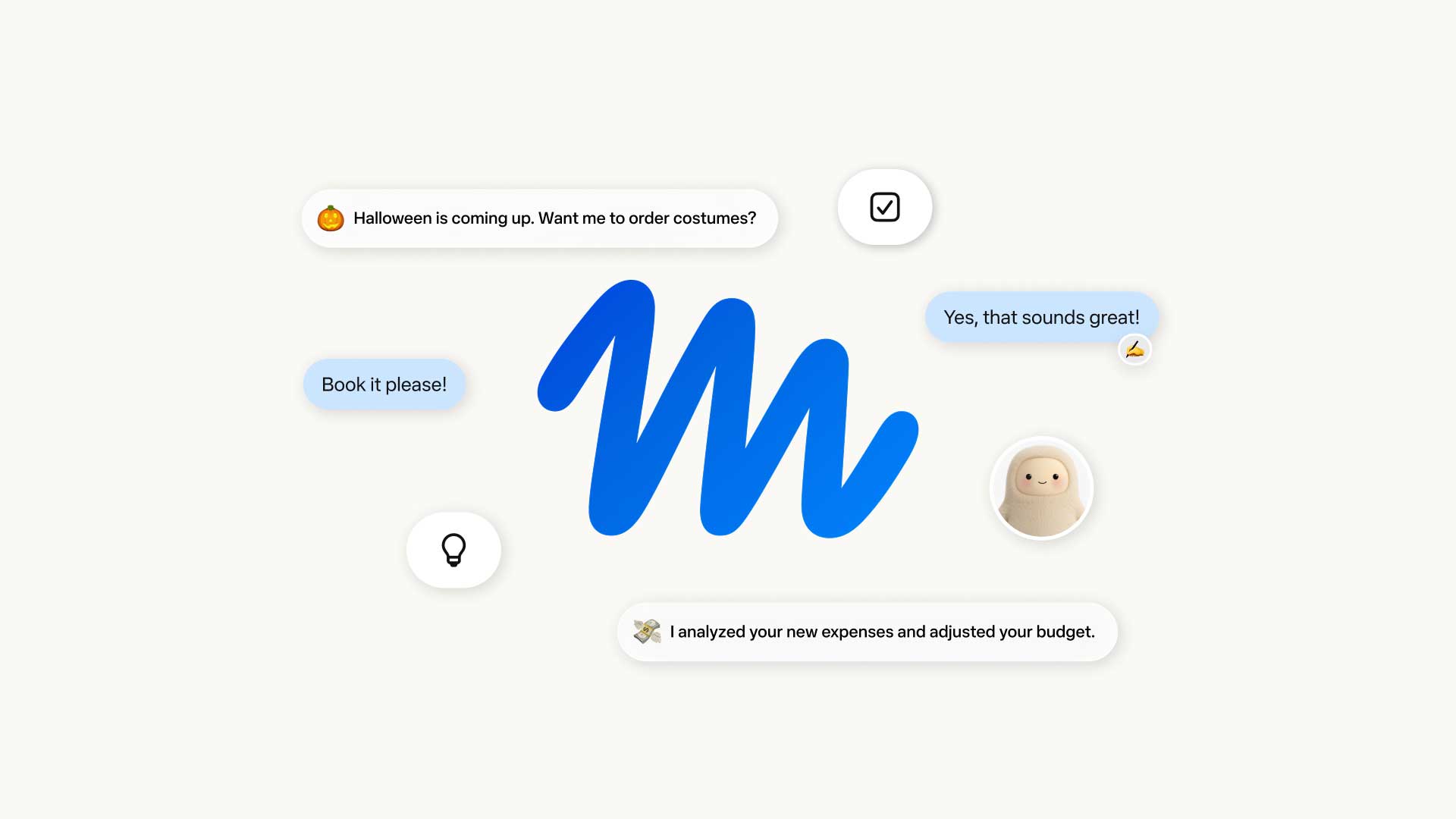 Meta Muse Is a Personal AI Agent That Books Travel, Sends Email, and Pays for Things While You Are Not Looking
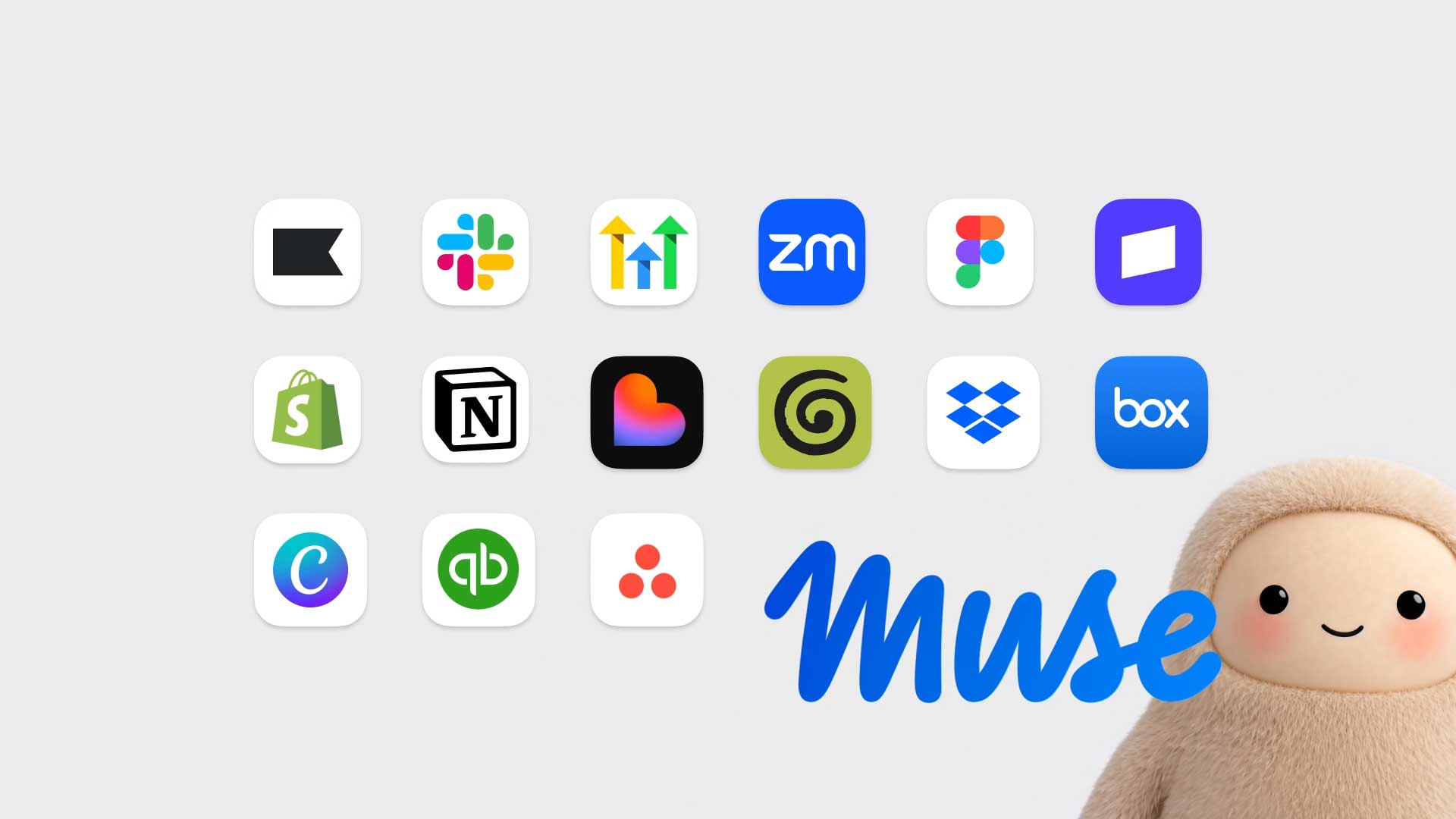 Meta Expands Muse AI Agent to Small Businesses With New Business Tool Integrations
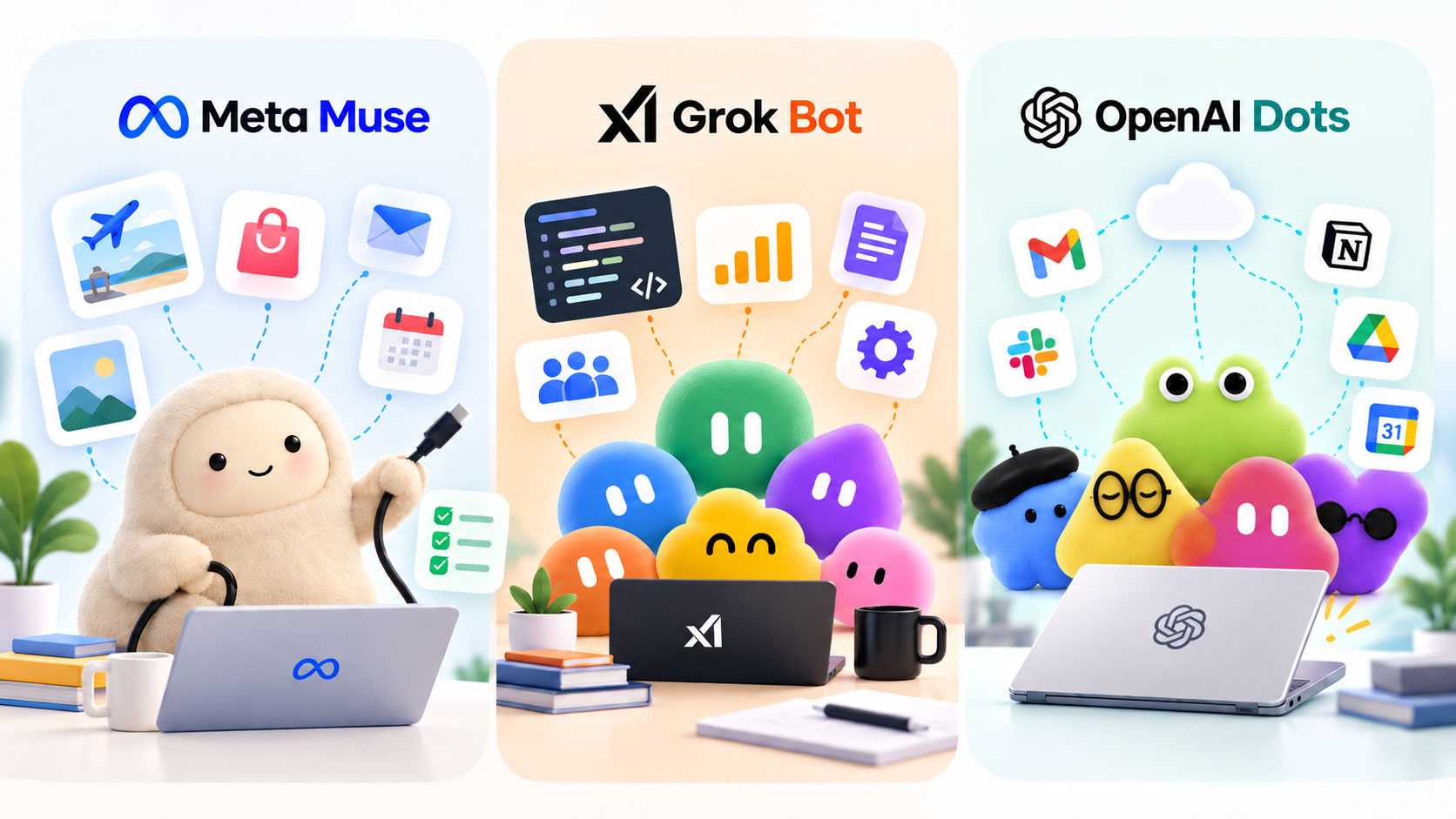 Meta Muse vs Grok Bot vs OpenAI Dots: Which Personal AI Agent Fits Your Workflow?
 Amazon Blocks Meta Muse From Shopping on Amazon.com
 Meta Launches Enterprise AI Platform and Hires MongoDB CEO to Lead New Business