NASA Found a New Moon Crater That Formed in 2024
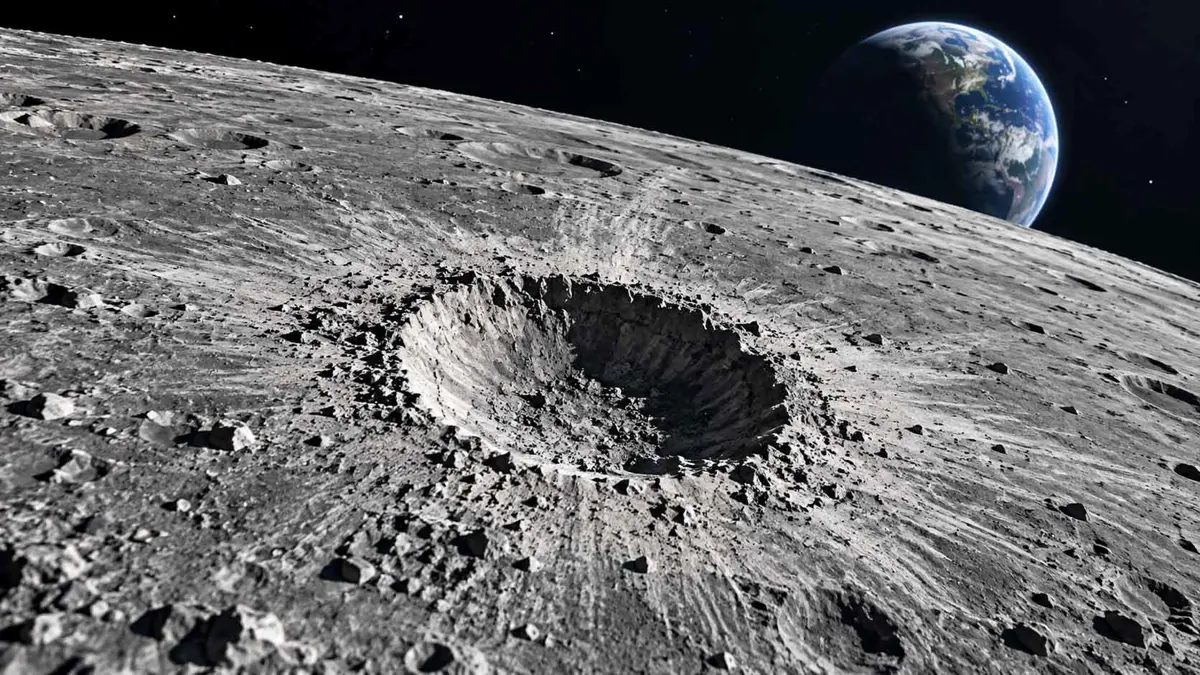
NASA's Lunar Reconnaissance Orbiter found a 728-foot crater that appeared between April 11 and May 22, 2024.

NASA has found a new crater on the Moon that did not exist in earlier images of the same area. Scientists identified the crater by comparing before-and-after observations from NASA's Lunar Reconnaissance Orbiter, turning a routine image check into the discovery of one of the largest newly formed lunar craters ever documented.
The crater, officially named McGetchin after lunar scientist Tom McGetchin, formed on the Moon's eastern edge sometime between April 11 and May 22, 2024. NASA says the impactor was likely an asteroid or comet fragment roughly the size of a three- to six-story building.
The New Moon Crater Is 728 Feet Wide
McGetchin crater is about 728 feet wide and 141 feet deep. That makes it roughly the length of two football fields across, while its depth would be comparable to stacking three school buses vertically.
Scientists estimate that an impact capable of producing a crater this large happens on the Moon about once a century or even less often. The discovery therefore gives researchers a rare opportunity to study a lunar impact while the resulting surface changes are still relatively fresh.
How NASA Found a Crater That Wasn't There Before
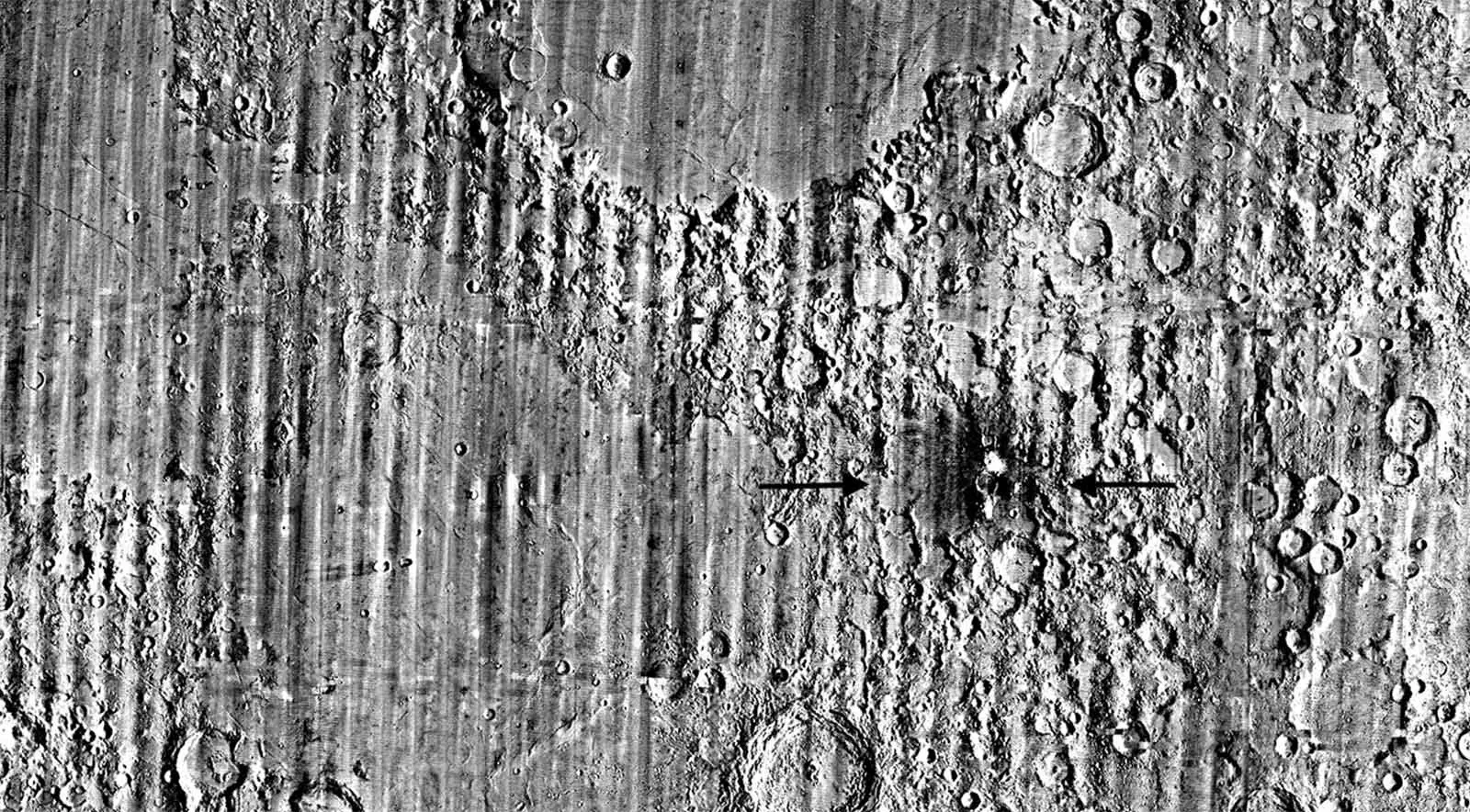
The discovery began as a routine data-quality check. Robert Wagner, a scientist working with the Lunar Reconnaissance Orbiter, noticed a new bright feature while reviewing images. Researchers then compared newer images with older observations of the same location.
The before-and-after comparison was crucial. NASA's Lunar Reconnaissance Orbiter has been studying the Moon since 2009, building a large archive of observations that allows scientists to detect changes over time. In this case, earlier images showed the surface before the impact, while later images revealed the new crater and material thrown across the surrounding terrain.
This kind of long-term orbital record is especially useful because the Moon does not have the same weathering processes as Earth. There is no rain, wind, or active plate tectonics constantly reshaping the surface, so fresh impact marks can remain visible for scientists to study.
The Impact Changed More Than One Small Patch
The crater itself is only part of the discovery. The collision also scattered material away from the impact site, leaving a much larger disturbed area around McGetchin crater.
NASA's Lunar Reconnaissance Orbiter also carries the Diviner instrument, which measures thermal properties of the lunar surface. Follow-up observations found a region roughly four miles wide around the crater that was about 16 degrees Fahrenheit cooler at night than nearby terrain.
That temperature difference provides another way to study what the impact did to the lunar soil. The collision disturbed and loosened the surface material, changing how that area stores and releases heat after sunset.
Why Fresh Moon Craters Matter to Scientists
Most lunar craters are ancient. The Moon's surface preserves a record of billions of years of impacts, but scientists rarely get the chance to observe a crater with a known formation window and modern instruments already watching the area.
McGetchin gives researchers that opportunity. Because the impact happened between two known dates, scientists can compare the surface before and after the collision and study the resulting crater, ejecta, and thermal changes together.
The discovery also shows why continued lunar observation matters as exploration activity increases. NASA is preparing for more robotic and crewed activity around the Moon, while missions such as the Roman Space Telescope are expanding what scientists can observe elsewhere in space.
The Moon Keeps Getting Hit
The discovery is also a reminder that the Moon is not a static world. Asteroids, meteoroids, and comet fragments continue to strike its surface. NASA has previously documented fresh craters, including a much smaller crater created by a Falcon 9 upper stage impact in August 2026.
Those impacts are useful scientific events because each one changes a known part of the lunar surface. Comparing new observations with older images lets researchers measure how much material was displaced and how the surface responds to an impact.
What This Means for Future Lunar Exploration
Fresh impact sites can help scientists understand the hazards and changing environment that future lunar missions will encounter. The new crater itself is not evidence of an immediate danger to planned missions, but it provides a real example of the kind of natural event that continues to shape the lunar surface.
The discovery also fits into a broader period of renewed lunar activity. Commercial and government missions are sending more hardware toward the Moon, while new spacecraft and instruments are building detailed records of its surface. Saganote has covered SpaceX's expansion into the space industry and the growing role of AI in technology, including Gemini 3.5 Pro and Kimi K3. These stories are part of the wider technology ecosystem around increasingly data-intensive scientific and space activity, although the McGetchin discovery itself comes from direct lunar observation.
The Discovery Came From Comparing Old and New Images
The most important part of the McGetchin discovery is simple: the crater could be identified because scientists had an earlier view of the same location. NASA's long-running Lunar Reconnaissance Orbiter mission made that comparison possible.
Researchers now have a rare fresh impact site to study in detail. McGetchin crater is a new mark on an ancient world, and its surrounding changes give scientists another opportunity to understand how impacts continue to reshape the Moon.
Source: NASA Science