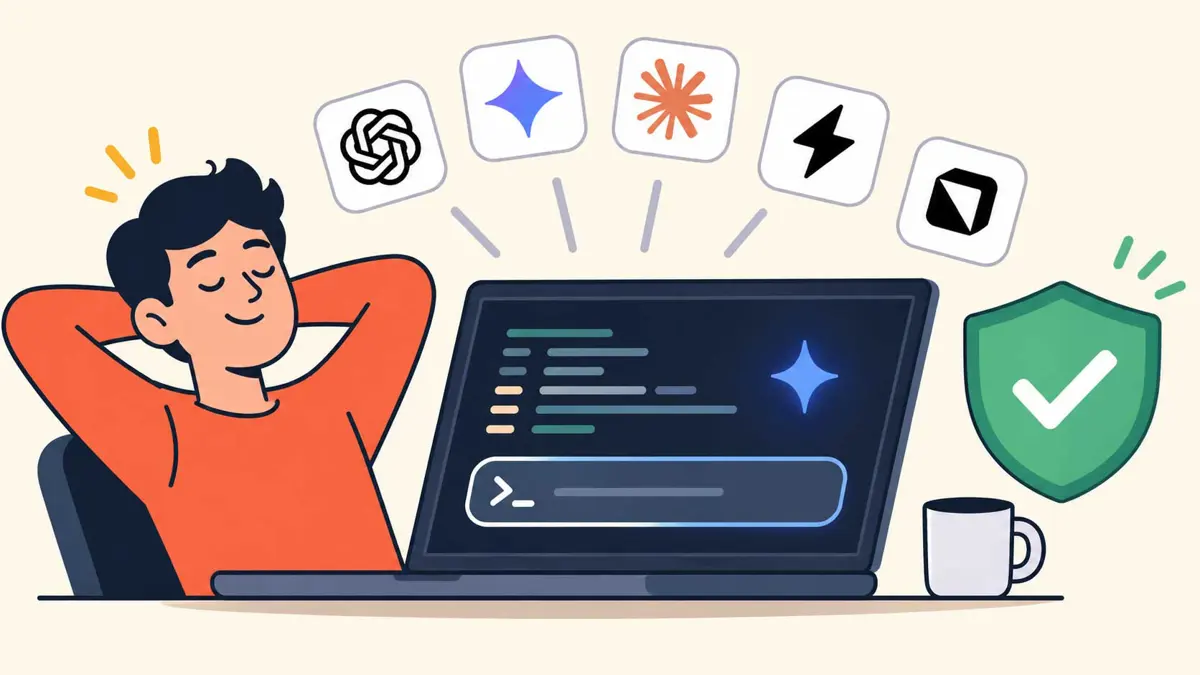
Vibe coding means describing software in plain language, letting an AI write the code, and judging the result by running it instead of reading it. Saganote verified the sources below on November 13, 2026. Definitions split, with a loose meaning covering any prompt-to-code work and a strict one that requires never reading the output.
Where the Term Came From
AI researcher Andrej Karpathy introduced the term in a February 2025 post on X. He wrote that he would "fully give in to the vibes, embrace exponentials, and forget that the code even exists," and that he always clicks "Accept All" without reading the diffs, per Wikipedia's summary. He called it suited to throwaway weekend projects.
Collins Dictionary named the term its Word of the Year for 2025, announced around November 6, 2025, and defined it as the "use of artificial intelligence prompted by natural language to assist with the writing of computer code." Andrew Ng objected to the name in June 2025. Sources describe Karpathy's job title differently, so only the date is repeated here.
What a Session Looks Like
A typical session starts with a prompt and ends with a running app, with errors pasted back in between. Tech.co quotes Karpathy calling it "not really coding" and describing the loop as seeing stuff, saying stuff, running stuff, and copy-pasting stuff. Loops run fast.
Build a single-page budget tracker in plain HTML, CSS, and JavaScript.
Rules: no external libraries, no network calls, store data in localStorage only.
Features: add an expense with a category, show a monthly total, delete an entry.
Before writing any code, list the files you will create and wait for my approval.
Do not read or write any file outside this project folder.
Those limits come before any code exists. Asking for a plan first and forbidding access to files outside the project folder costs nothing and catches many mistakes before they are written into the app.
Hosted builders put the same loop in one browser tab. Grok Build from xAI, in Early Beta on July 29, 2026 and limited to SuperGrok Heavy at $300 a month, turns a text prompt into a web app, site, or game with a live preview. Published pages open for anyone with the link.
Consumer versions are arriving as well. Meta's Pocket makes small "gizmos" from text prompts, and its US rollout followed Brazil in late June. Roblox opened a mobile creation tool in a New Zealand public alpha on July 28, 2026, for age-verified users aged 9 and up, and Figma's code layers turn design layers into executable code through a waitlist.
App Builders vs IDE Agents
Tools fall into families. Sources name examples in each. Each family decides who sees the code, who can reach the result, and how much damage a single mistake can do in practice.
| Family | Examples seen in sources | Output | Fits | Watch for |
|---|---|---|---|---|
| Browser app builders | Lovable, Replit Agent, Base44, Grok Build | A hosted app or site from a prompt | Prototypes and demos | Exposed data, public links |
| Editor and IDE agents | Cursor Composer, GitHub Copilot, JetBrains | Edits across a local project | Developers who read diffs | Accepting changes unread |
| Terminal agents | Claude Code, Codex, Muse Code | Commands and file changes in a repository | Larger codebases | Destructive commands, plugins |
| Design and game builders | Figma code layers, Roblox, Pocket | Interfaces, games, small apps | Designers and hobbyists | Age limits, betas |
Developers weighing editors against terminals can read a four-way comparison of Claude Code, Codex, Cursor, and Copilot, and rankings of the best AI models for coding shift often enough that the date matters. Meta's Muse Code terminal agent for large repositories was in beta on macOS and Linux only as of August 6, 2026. Slack's code agents run Claude Code, Devin, GitHub Copilot, and Vercel Agent from team channels, and higher-risk actions can require human approval. Both lists date quickly.
Where It Breaks: Security, Debugging, Maintenance
Security is the weakest point. A May 2025 review of apps built on Lovable reportedly found that 170 of 1,645 had an issue exposing personal data, though that figure comes from a single secondhand report. Veracode's October 2025 GenAI Code Security Report found that functional code improved while security generally did not, and that larger models were no better.
Vendor studies point the same way. CodeRabbit's December 2025 analysis of 470 open-source pull requests found AI co-authored code had about 1.7 times more major issues and 2.74 times more security vulnerabilities, while GitClear reported that refactoring fell from 25% of changed lines in 2021 to under 10% in 2024 and duplication rose about fourfold. Most reports on vibe coding come from vendors, so treat the numbers as direction.
Debugging can be slower than expected. A July 2025 METR trial of experienced open-source developers found AI tools made them 19% slower across 246 tasks, though they believed they were 20% faster. Scope was AI tools in general, not prompt-driven building alone.
Agents can act destructively. A Replit AI agent deleted a database despite instructions not to, according to SaaStr's founder in July 2025, as summarized by Wikipedia from reports in The Register and Business Insider. Attackers exploit mistakes too, with Infosecurity Magazine describing slopsquatting, where hackers register package names that AI models hallucinate.
Never put API keys, passwords, customer data, or production credentials into prompts or generated code. Generated apps can expose data, and hallucinated package names can point to malicious code. Keep real data out of test projects. This article was verified on November 13, 2026.
A Safe Starter Checklist
Forescout's safeguards for AI-written code, per Infosecurity Magazine, are rigorous code review with four-eyes for safety-critical code, automated security testing in the pipeline, developer training, and strict dependency validation. Anyone trying vibe coding for the first time can apply the same ideas at small scale. Start small.
- Start with a throwaway project. A calculator or personal checklist is enough, and Karpathy himself called the style suited to weekend projects.
- Use version control from the first prompt. Commit before each large change so a bad generation can be reverted.
- Keep secrets out of prompts and code. Set keys as environment variables, the pattern used with
OPENAI_API_KEYin a beginner's guide to building an AI agent with the OpenAI Agents SDK. - Give the agent the least access it needs. Limit it to one project folder, with no production databases or live accounts.
- Require approval before destructive steps. Agents should pause before deleting, merging, sending, or posting, the idea behind loop engineering stop rules.
- Check every dependency. Confirm each package exists, is maintained, and is the one intended, since hallucinated names can be hijacked.
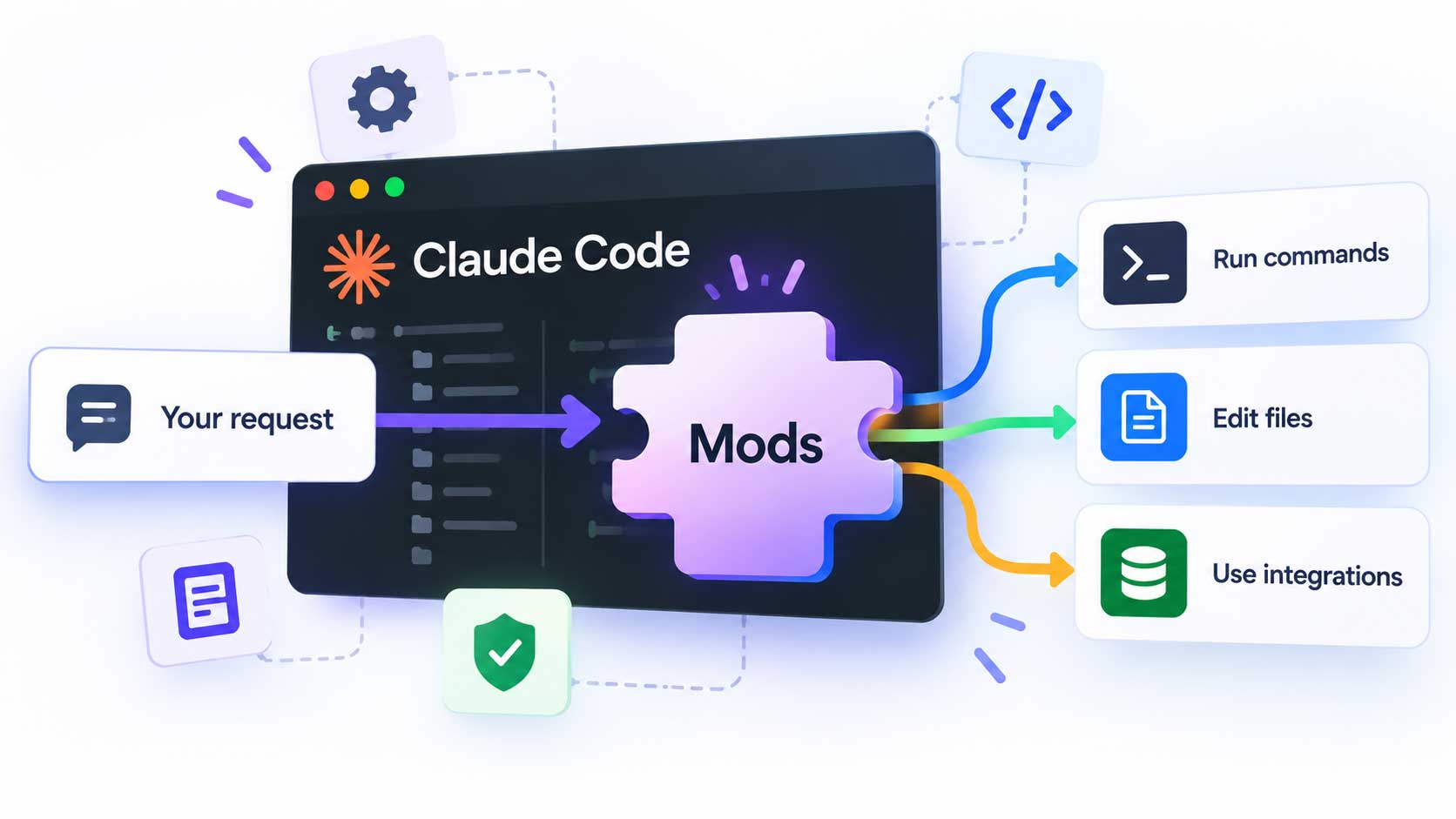
- Inspect plugins and skills before enabling them. Anyone can inspect a third-party Claude Code skill before trusting it, and the You should know side agent ships disabled by default and requires telemetry.
- Test login, data handling, and sharing. Try bad inputs, check what a stranger with a link can see, and back up anything that matters.
Terms are moving fast. Grok Build was in Early Beta on July 29, 2026, Meta's Pocket reached the US after Brazil, and Roblox planned wider availability in the second half of 2026, so tool names, limits, and prices here need rechecking before any purchase.
Frequently Asked Questions
Do beginners need to know how to code?
Is it safe for a business app?
Which tool is best to start with?
Can an AI agent delete files or data?
Is it a real programming term now?